
SEED TREATING ARTICLES
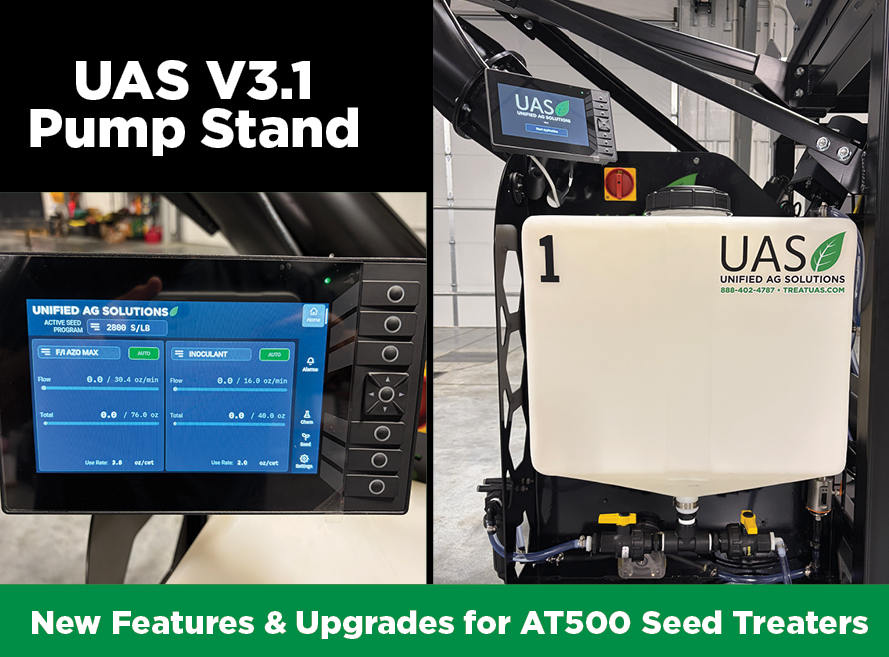
The UAS V3.1 Pump Stand: Built Better From Customer Feedback
The UAS V3.1 Pump Stand builds on last year's V3 with a larger touchscreen, smarter software, improved agitation, easier maintenance and expanded treating capabilities.
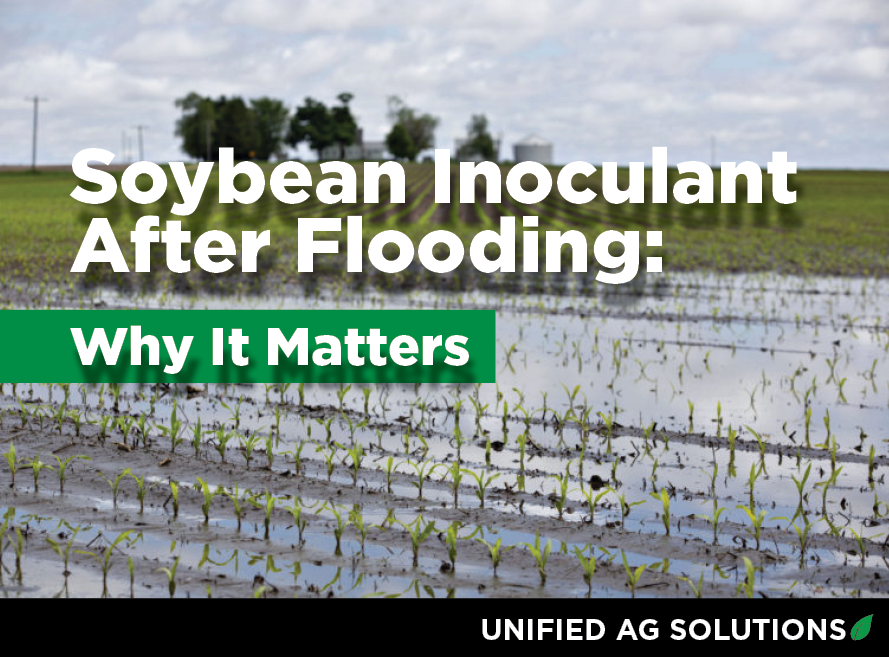
Fields Flooded This Fall? Don't Forget About Inoculant Next Spring
Was your field flooded this year? Learn how saturated soils can affect rhizobia, soybean nodulation and nitrogen fixation—and why inoculating soybeans may be important next season.
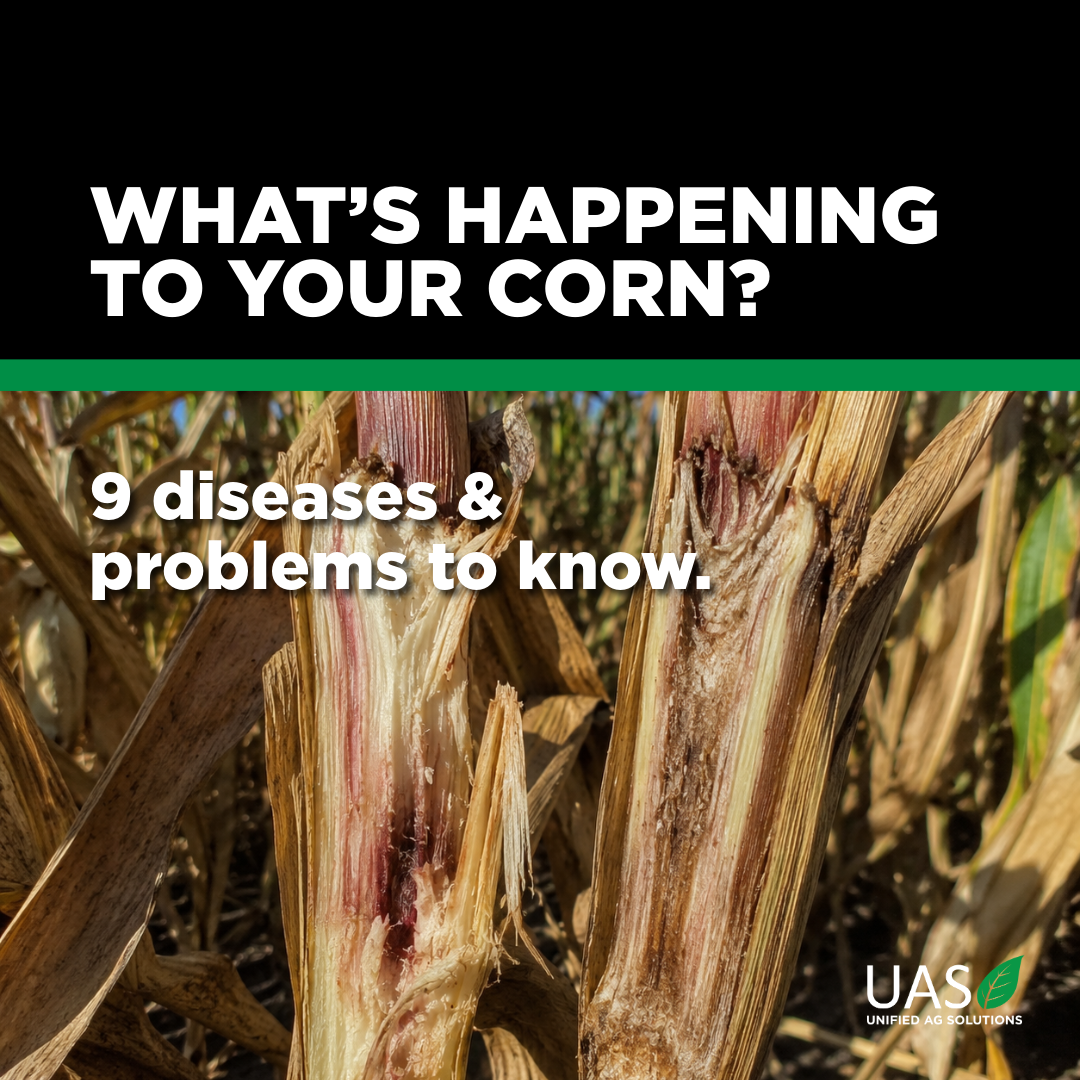
Corn Disease Identification Guide: What to Look for When Scouting Corn
Learn how to identify tar spot, gray leaf spot, northern corn leaf blight, southern rust, Goss's wilt, stalk rot and other common corn diseases.
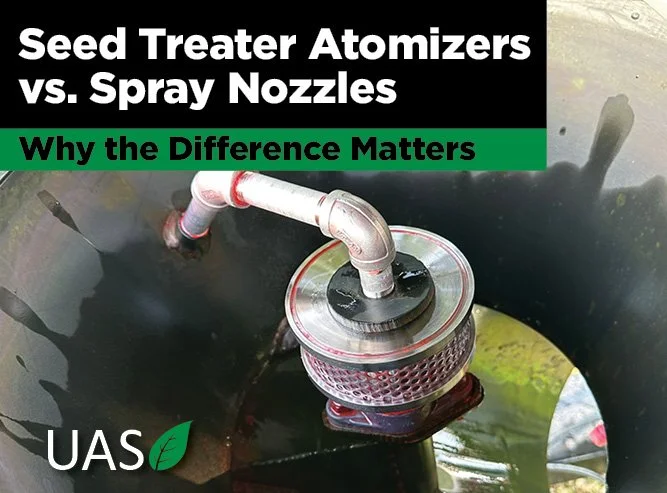
Seed Treater Atomizers vs. Spray Nozzles: Why the Difference Matters
In the market for a seed treater? No matter which treater you choose, one thing is for sure: be sure your treater utilizes an atomizer to apply chemistry. Learn why.
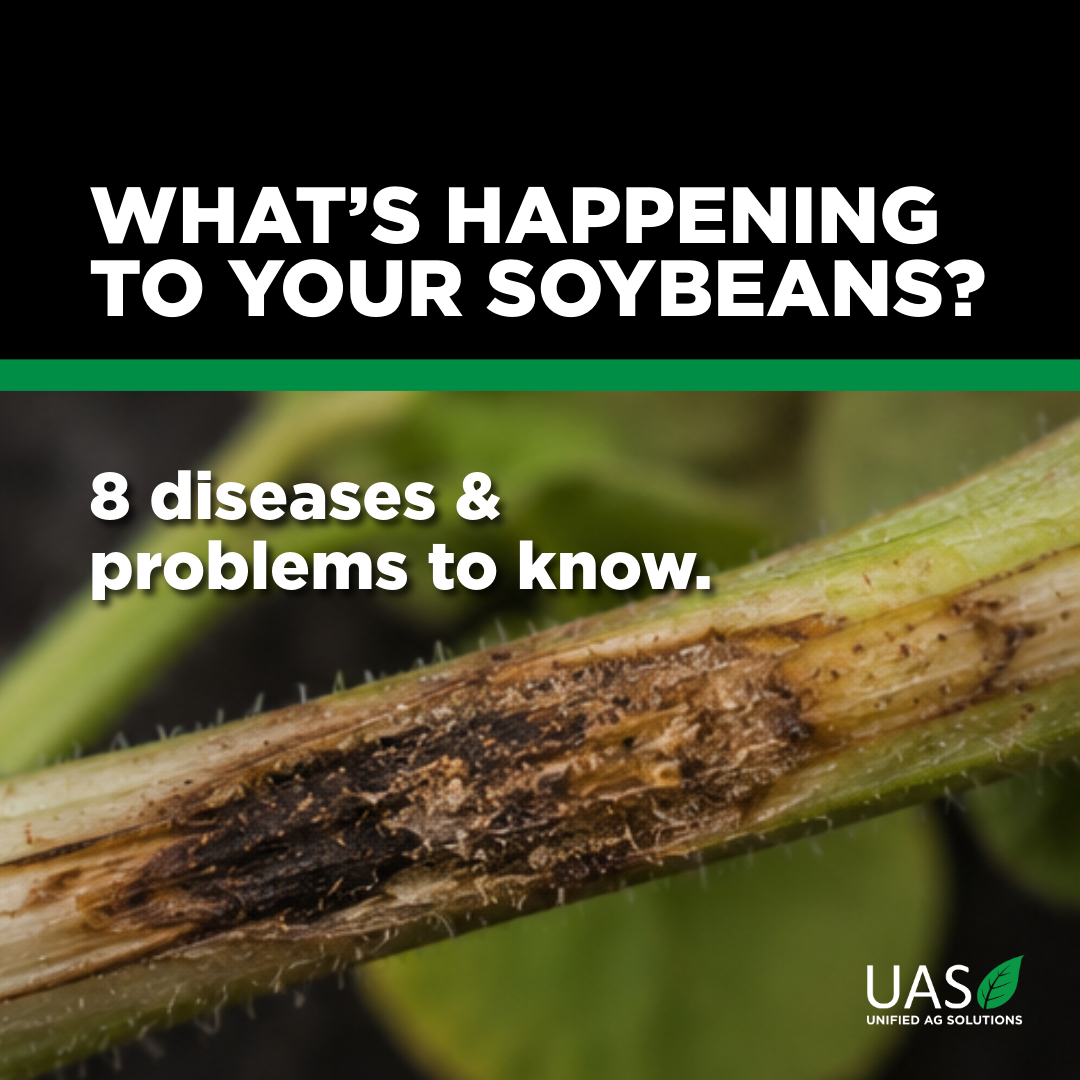
Soybean Disease Identification Guide: What to Look for in Your Fields
Learn how to identify common soybean diseases including SDS, red crown rot, Phytophthora, Pythium, Fusarium, Rhizoctonia, white mold and soybean cyst nematode.

The Step-by-Step Guide to Buying a Seed Treater
Whether you’re a seed dealer looking to grow your business, or a farmer who wants more control over your seed and your bottom line, investing in a seed treater can be a game-changer. But where do you start? At Unified Ag Solutions, we’ve walked hundreds of growers through this process — here’s a step-by-step look at how it works.

Treatment Shopping Tip: Consider Price Per Unit Instead of Price Per Gallon
Price per unit takes the concentration of the product into account. It reveals the actual cost of the active ingredients you're applying per acre. This is why UAS champions the importance of price per unit when choosing a seed treatment vs price per gallon.
How Many Acres Justify Buying a Seed Treater?
Wondering if a seed treater is worth the investment? Learn what acreage, labor, flexibility and seed treatment savings mean for your ROI.
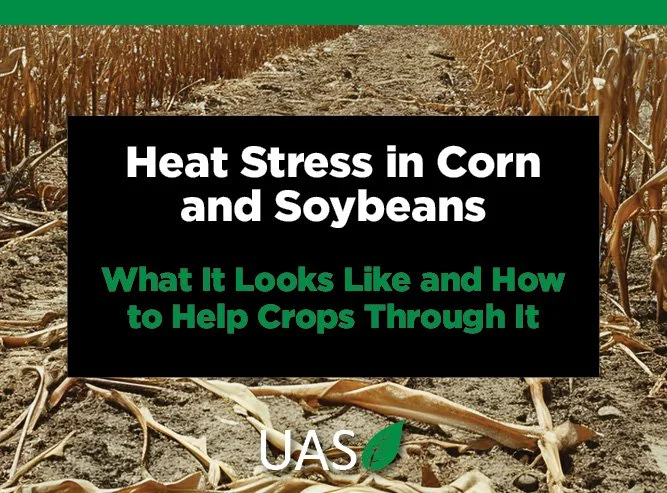
Heat Stress in Corn & Soybeans | Signs, Symptoms & Management
Learn how to identify heat stress in corn and soybeans, what causes it, and practical ways to reduce yield loss. Plus, discover how N-Gage Power can help support crops during stressful growing conditions.
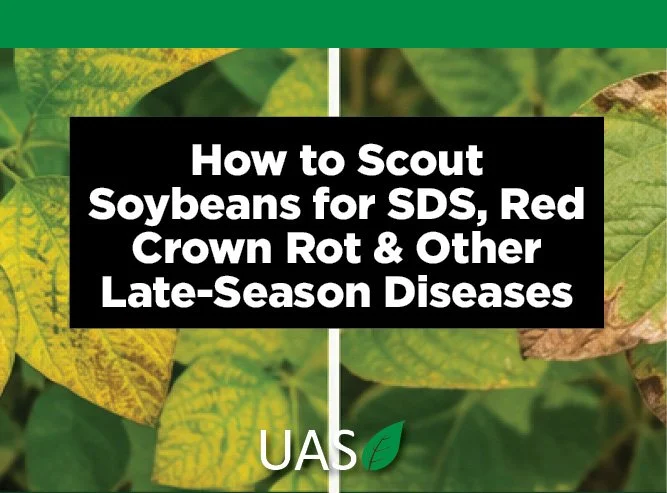
How to Scout Soybeans for SDS, Red Crown Rot & Other Late-Season Diseases
Learn how to scout soybeans for Sudden Death Syndrome (SDS), Red Crown Rot and other late-season diseases. Know what to look for and use this year's observations to make better seed treatment decisions next season.

If You Own a Sprayer, You Should Probably Own a Treater
If you own a sprayer, you already understand the value of precise application. A seed treater works the same way—protecting your crop from the start, lowering input costs, and putting you in control of timing and quality. Here’s why adding one to your operation just makes sense.

Managing Sudden Death Syndrome in Soybeans
When it comes to sudden death syndrome, it’s important to utilize all the tools in your toolbox and to start the season strong. To reduce potential yield loss, be proactive about your seed selection, seed treatment and have a disease management plan in place.
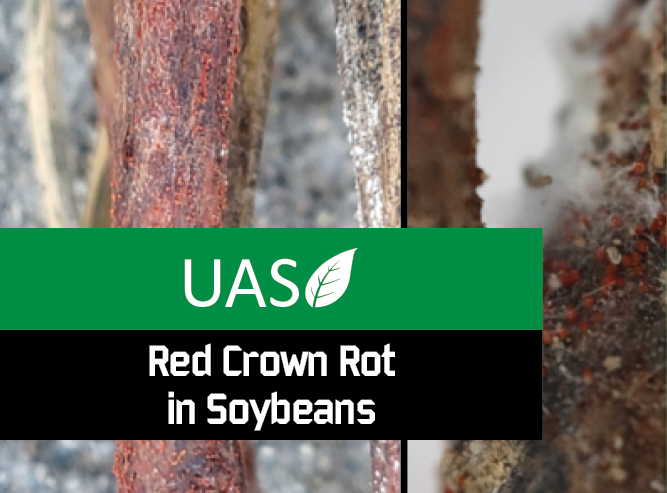
Red Crown Rot in Soybeans
Red crown rot is a growing concern for soybean farmers, particularly in regions with conducive weather patterns and a history of susceptible crops. While the disease is not yet a major problem in all areas, proactive management—including seed treatments like UAS N-Compass, nematode control, and strategic crop rotation—is essential to prevent its spread and minimize yield losses. Stay informed and take action to protect your fields this season.

The Growing Threat of Tar Spot in Corn: What Farmers Need to Know
Tar spot is a formidable threat, but with proactive measures, farmers can significantly reduce its impact. By integrating cultural practices, selecting resistant hybrids, and leveraging advanced seed treatments like UAS N-Compass, you can protect your yields and maintain profitability.
When Is the Best Time to Buy a Seed Treater? Save Over $1,000 Before August 1
Thinking about buying a seed treater? Learn when to purchase, who benefits from an AT500 seed treater, and how you can save over $1,000 by ordering before August 1.
Does Wheat Seed Treatment Pay? Recent Kansas Field Trial Shows +18.43 Bu/Acre Advantage
See real-world wheat seed treatment results from northwest Kansas. Learn how N-Compass Cereal Seed Treatment and N-Gage Power delivered an 18.43 bu/ac yield advantage worth more than $100 per acre.
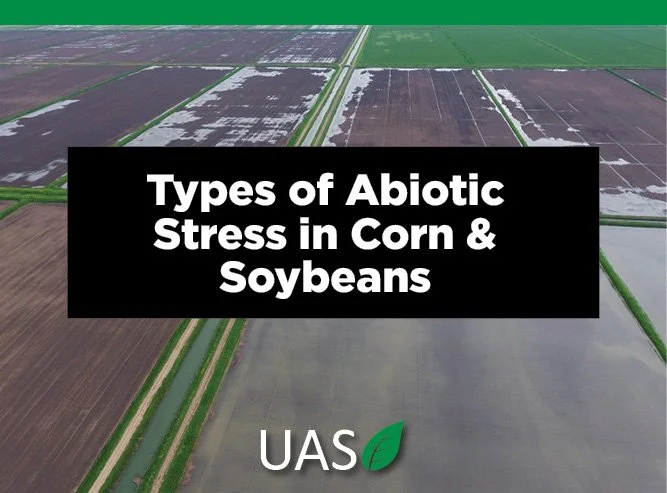
Types of Abiotic Stress in Corn & Soybeans
Learn the most common types of abiotic stress in corn and soybeans, how they impact yield, and how products like N-Gage Thrive can help support plant health and stress recovery.
How to Reduce Early-Season Stress in Corn & Soybeans
Learn how to reduce early-season stress in corn and soybeans caused by wet weather, heavy rains, delayed emergence, and replant situations with N-Gage Thrive.
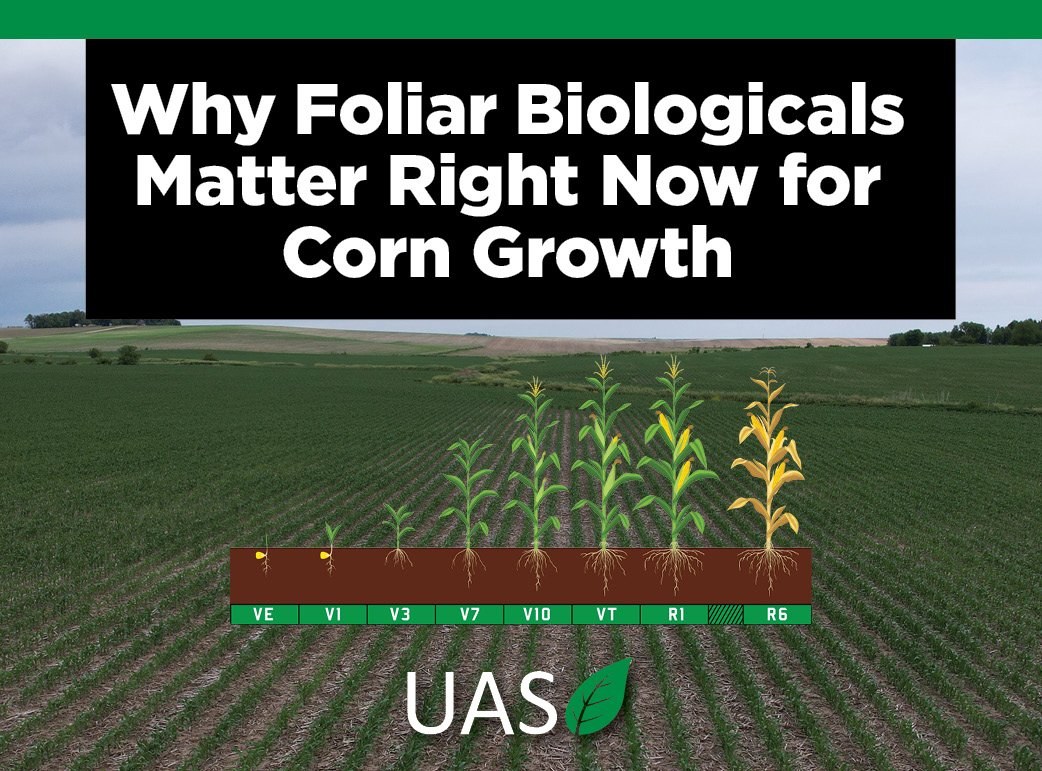
Why Foliar Biologicals Matter Right Now for Corn Growth and Replant Situations
Learn why N-Gage Power is an important biological tool during V2-V6 corn growth stages. Improve emergence, root development, germination, and plant vigor during stressful conditions and replant situations.

Seed Treatment vs. In-Furrow Applications: What’s the Difference?
Seed treatment and in-furrow applications are both designed to protect seedlings and boost plant health, but they differ in how they're applied, how they perform, and when you might choose one over the other. Let’s break it down.