
Types of Abiotic Stress in Corn & Soybeans
Abiotic Stress in Corn & Soybeans: What It Is and How to Reduce Yield Loss
When growers think about threats to yield, insects and diseases often come to mind first. But some of the biggest yield robbers aren't pests at all. They're environmental.
These non-living stress factors are known as abiotic stress, and they can impact corn and soybean performance at nearly every stage of the growing season. From heavy rains and flooding to drought and heat, abiotic stress can reduce nutrient uptake, slow growth, limit root development, and ultimately impact yield potential.
Understanding these stresses—and how to help crops recover from them—is becoming increasingly important.
What Is Abiotic Stress?
Abiotic stress refers to any environmental condition that negatively affects plant growth and development. Unlike diseases or insects, abiotic stress is caused by factors such as weather, soil conditions, or nutrient availability.
The challenge is that these stress events often occur when crops are at critical growth stages. Even short periods of stress can have lasting effects.
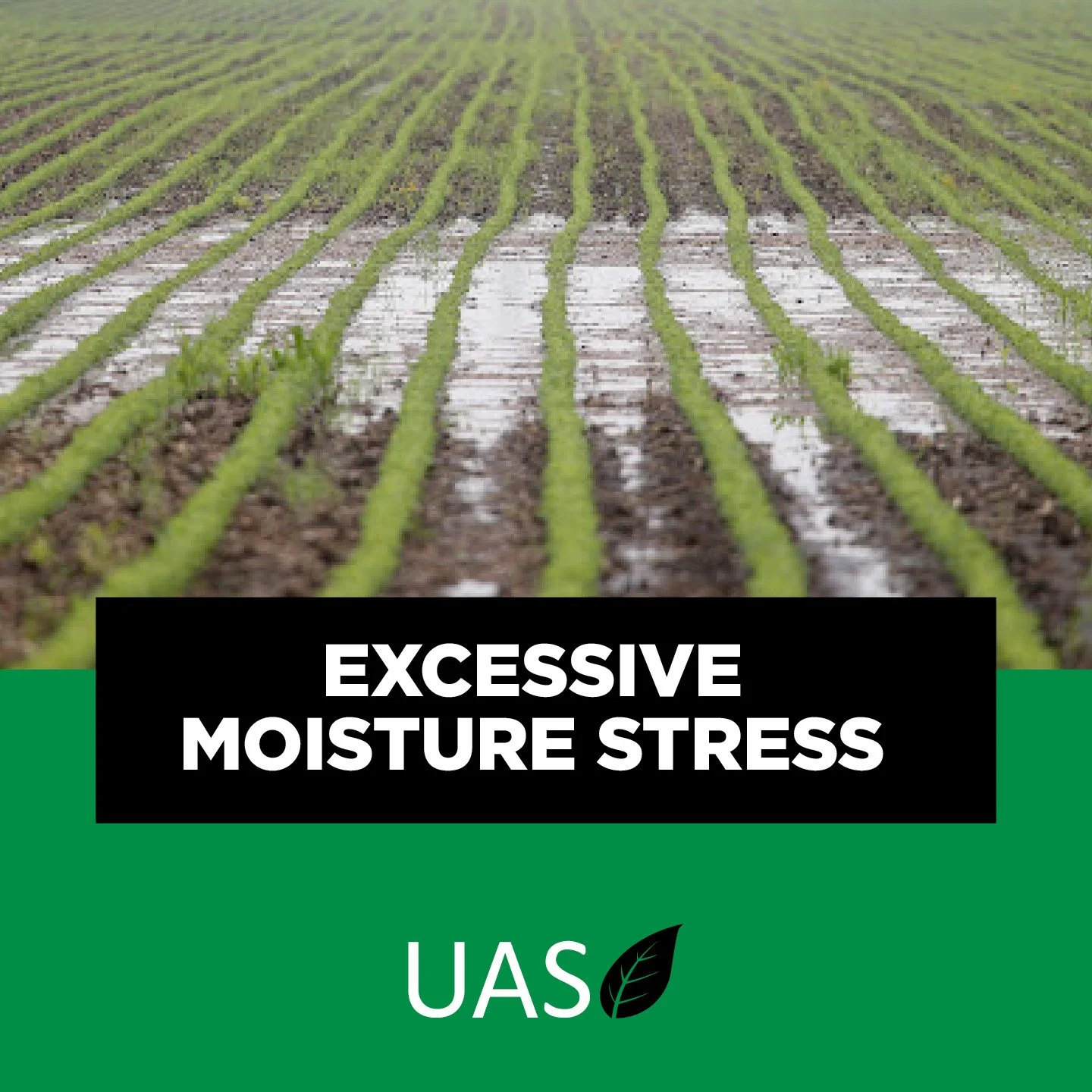
Excessive Moisture & Saturated Soils
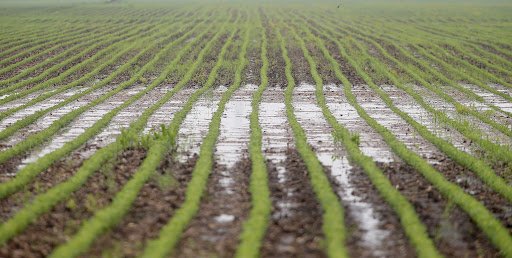
One of the most common stresses growers face is excessive rainfall.
When soils remain saturated:
Roots struggle to access oxygen
Nutrient uptake slows
Plant growth stalls
Root development can be compromised
Corn and soybeans both rely on healthy root systems to access water and nutrients. When roots are stressed, the entire plant suffers.
This is especially common during emergence and early vegetative growth stages.
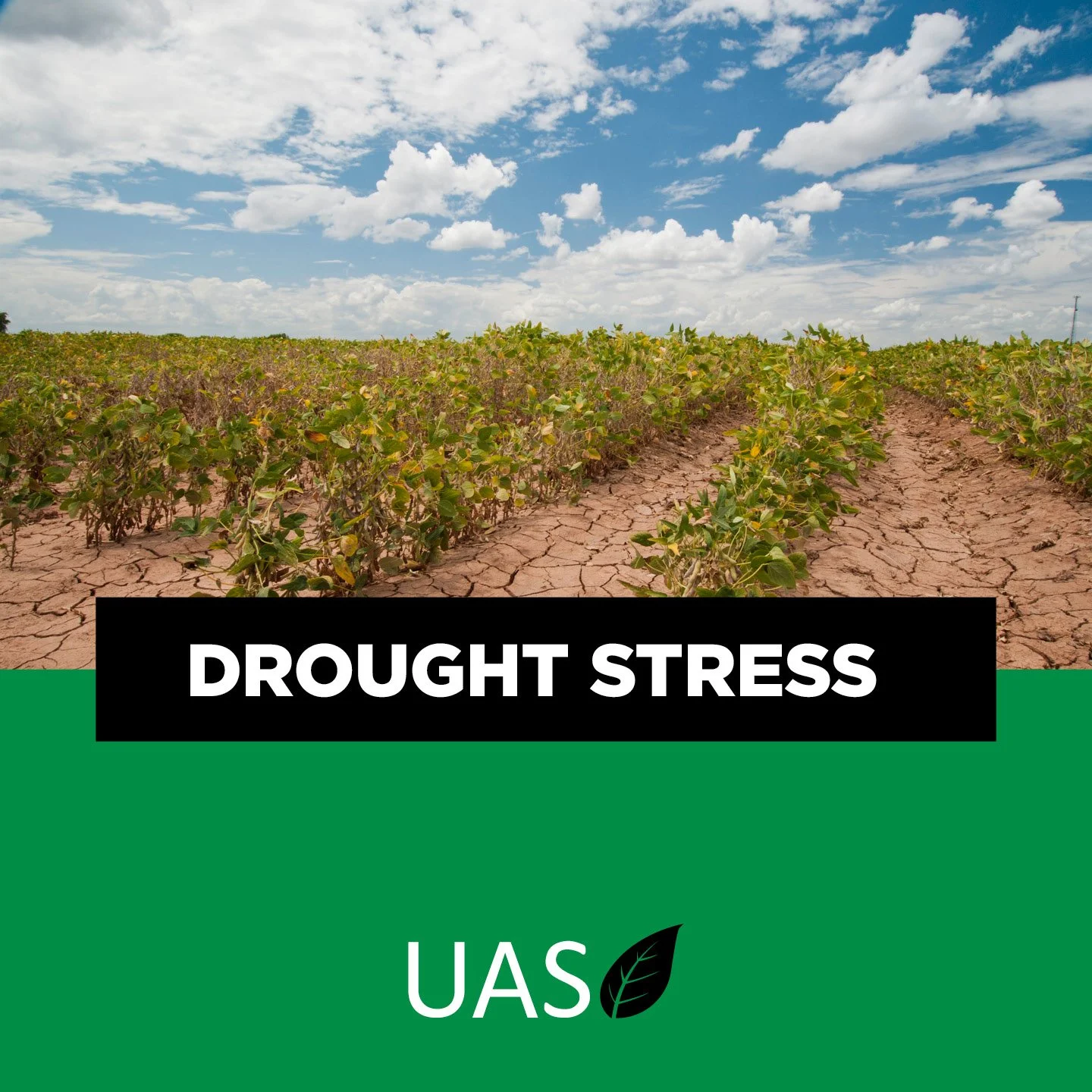
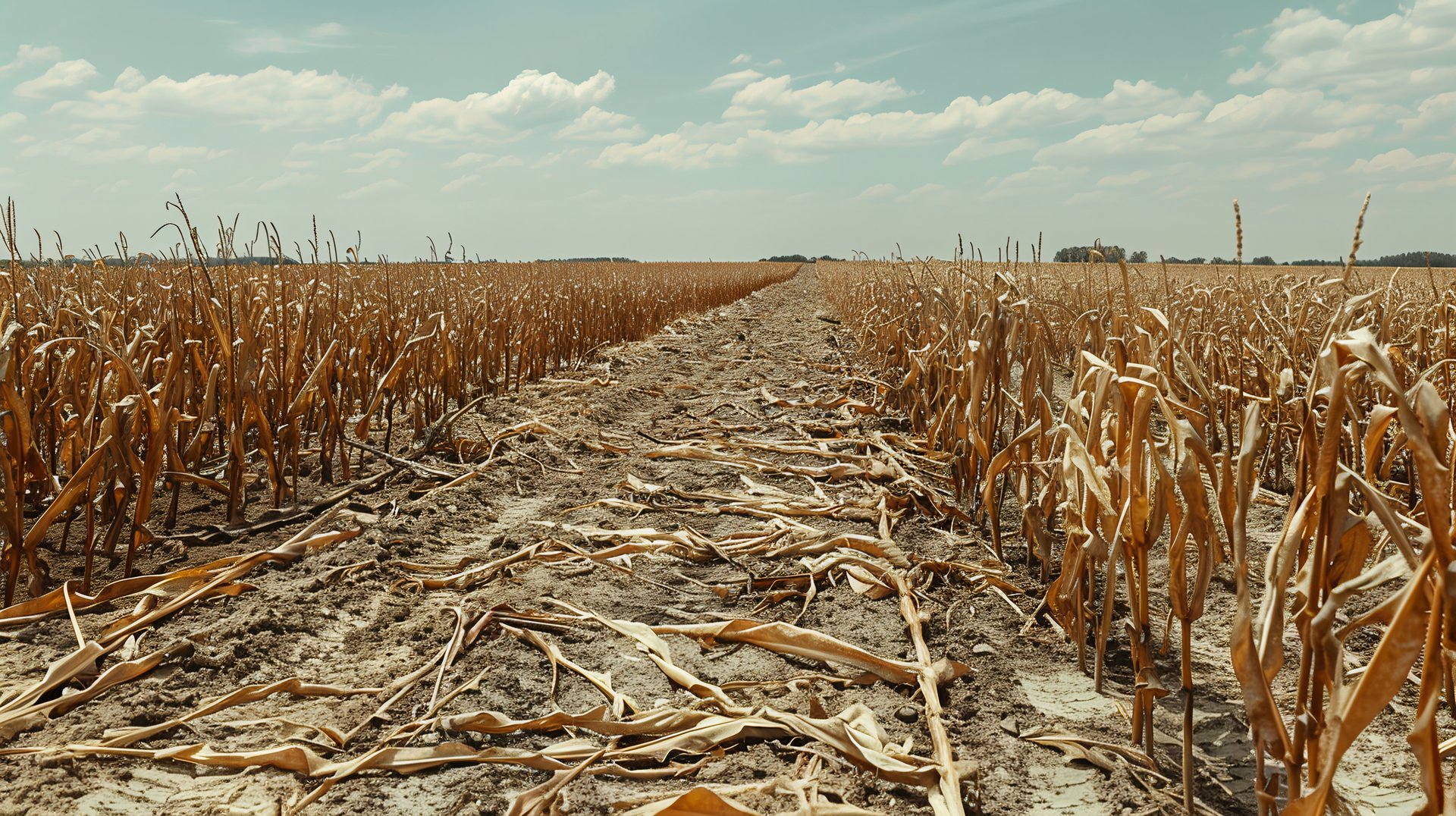
Drought Stress
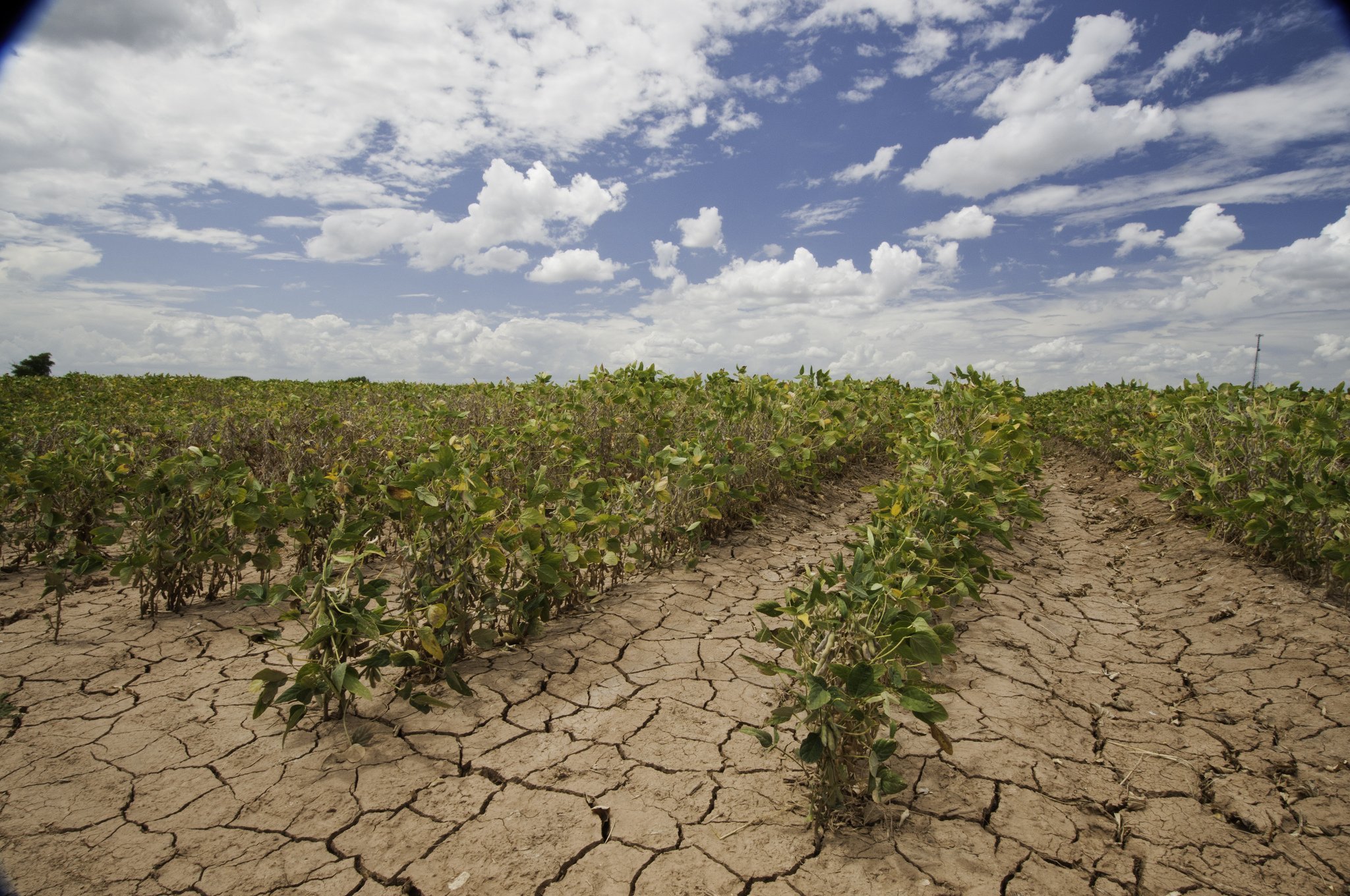
At the opposite end of the spectrum is drought.
Limited soil moisture can:
Restrict nutrient movement
Reduce photosynthesis
Slow plant growth
Impact pollination and grain fill
Even moderate drought stress can limit yield potential if it occurs during key reproductive stages.
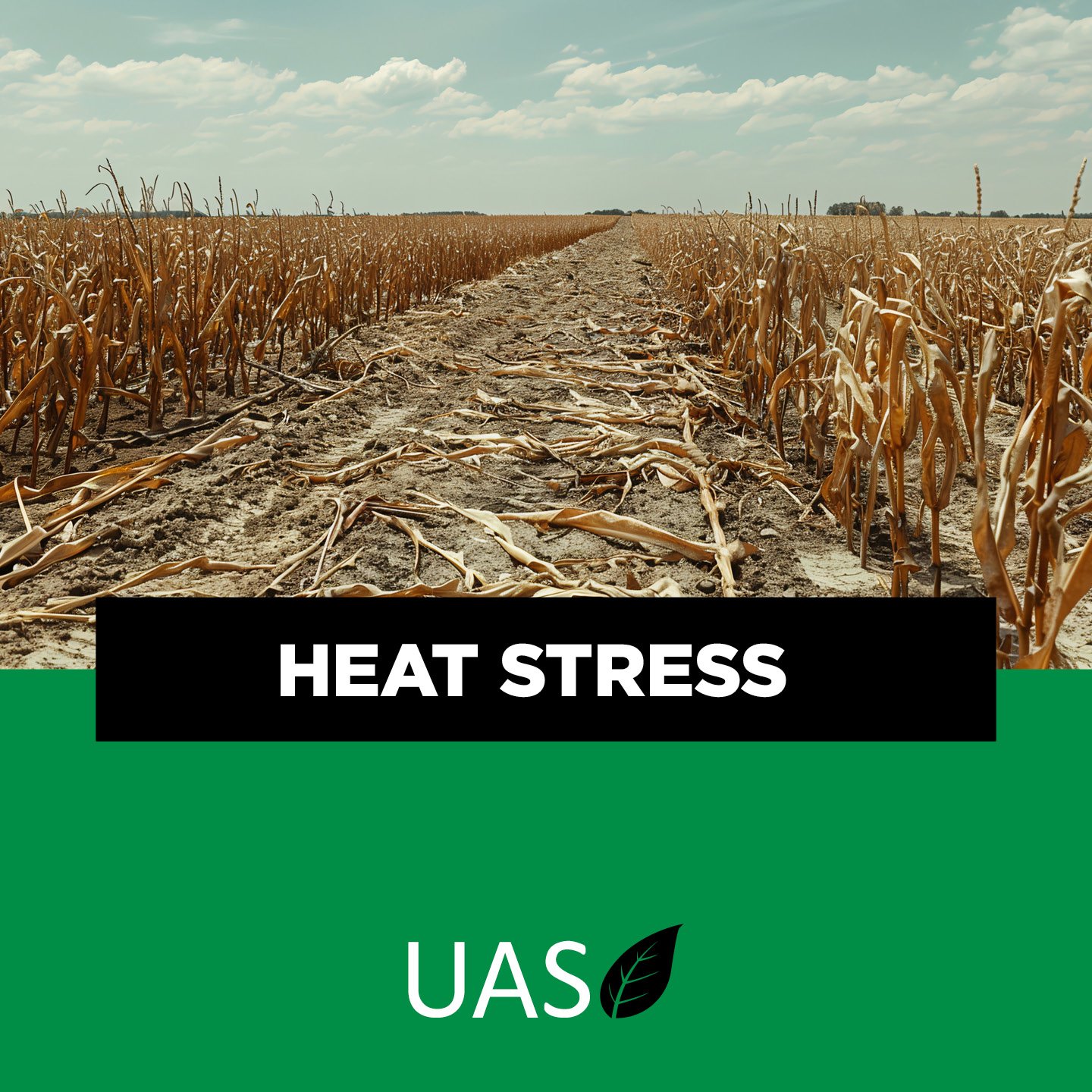
Heat Stress
High temperatures place additional demands on crops.
Heat stress can:
Increase plant respiration
Accelerate moisture loss
Reduce photosynthetic efficiency
Increase stress during pollination
When heat combines with drought, the effects become even more severe.

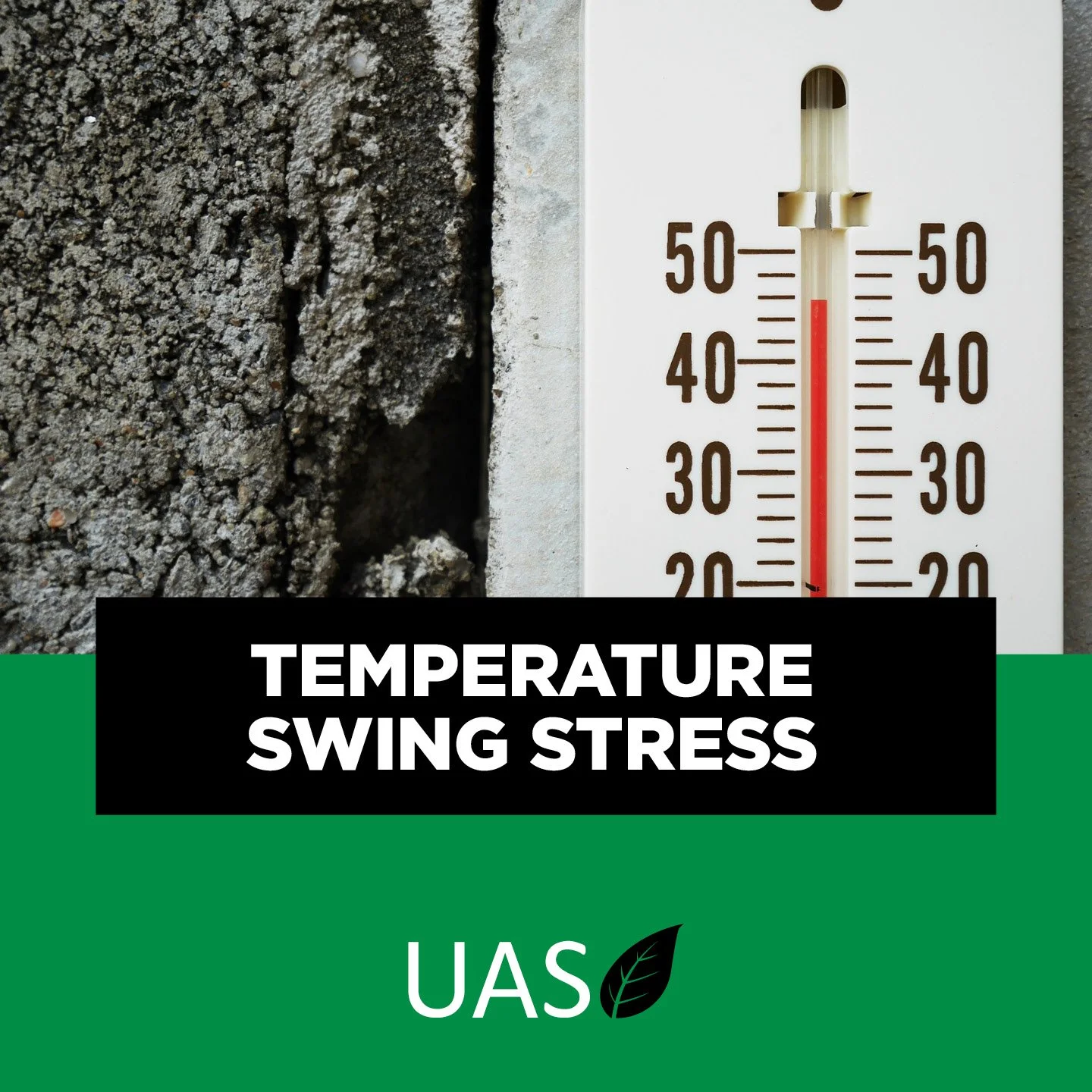
Temperature Swings
Rapid changes in temperature can create stress even when moisture is adequate. Cold nights followed by hot days can slow development and affect nutrient uptake, particularly in younger plants. Early-season temperature fluctuations are often associated with:
Slow emergence
Uneven stands
Reduced vigor
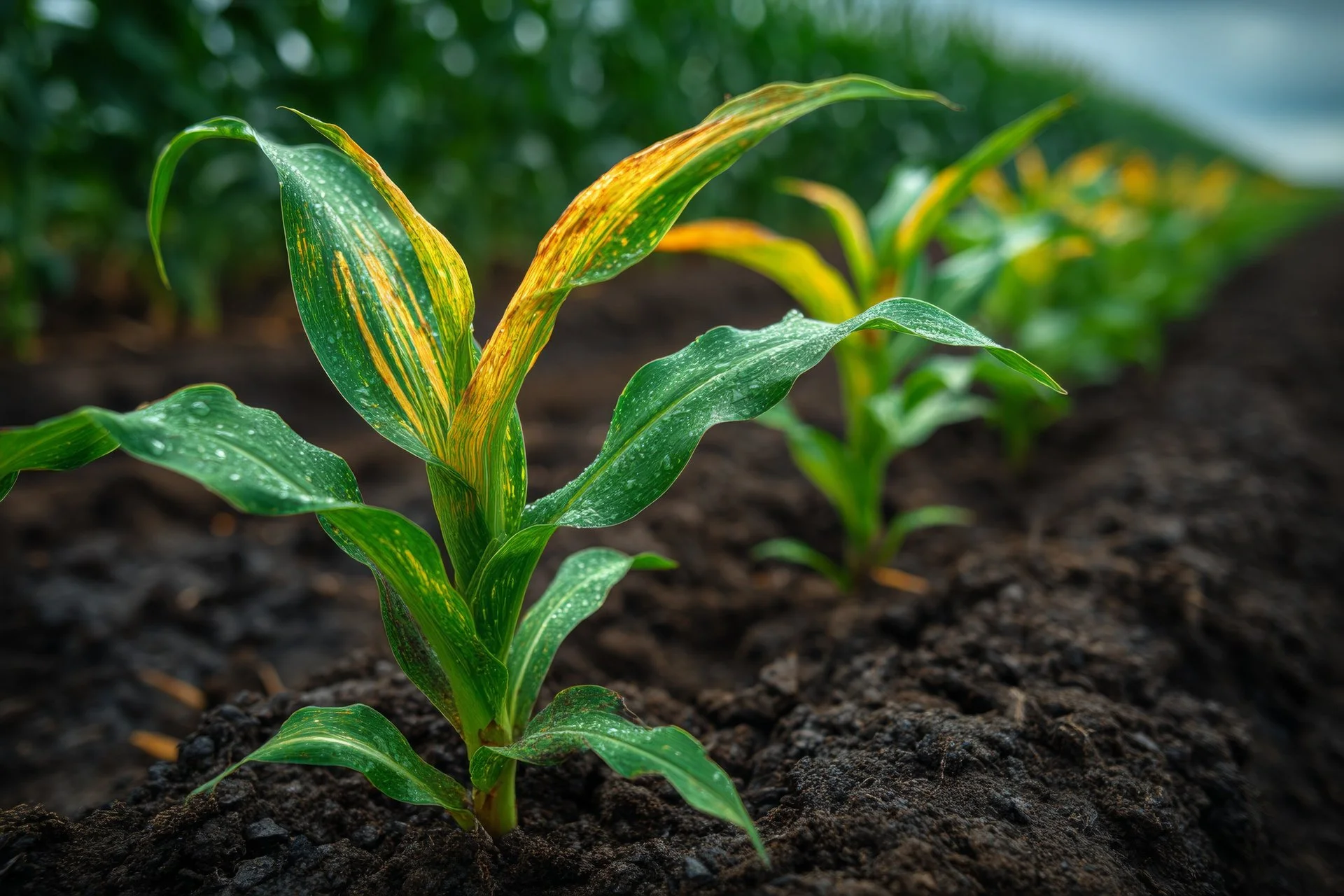
Nutrient Stress
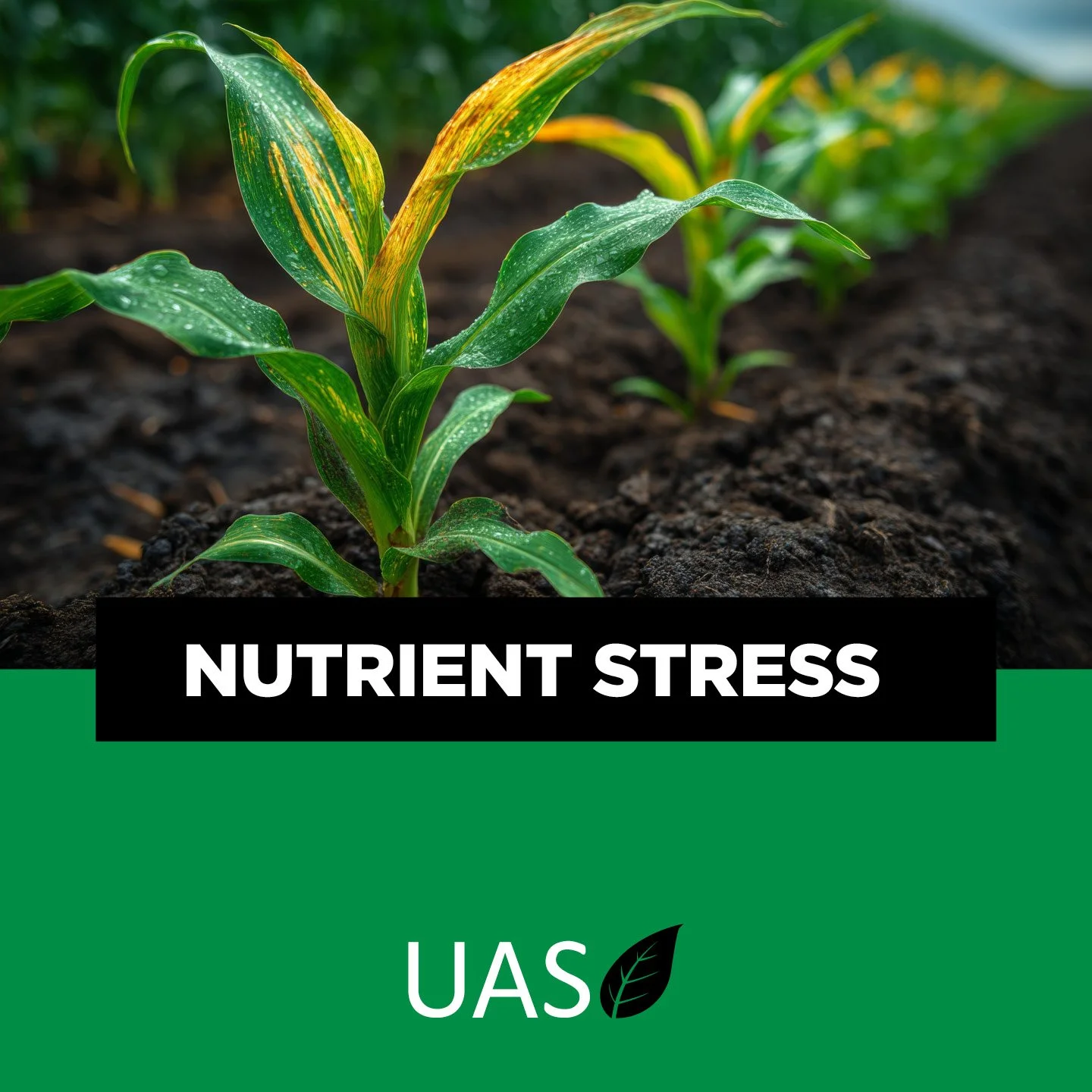
Plants can also experience abiotic stress when nutrients are unavailable or difficult to access.
This can occur due to:
Soil pH issues
Compaction
Excessive moisture
Dry conditions
Poor root development
Even when nutrients are present in the soil, stressed plants may struggle to utilize them efficiently.

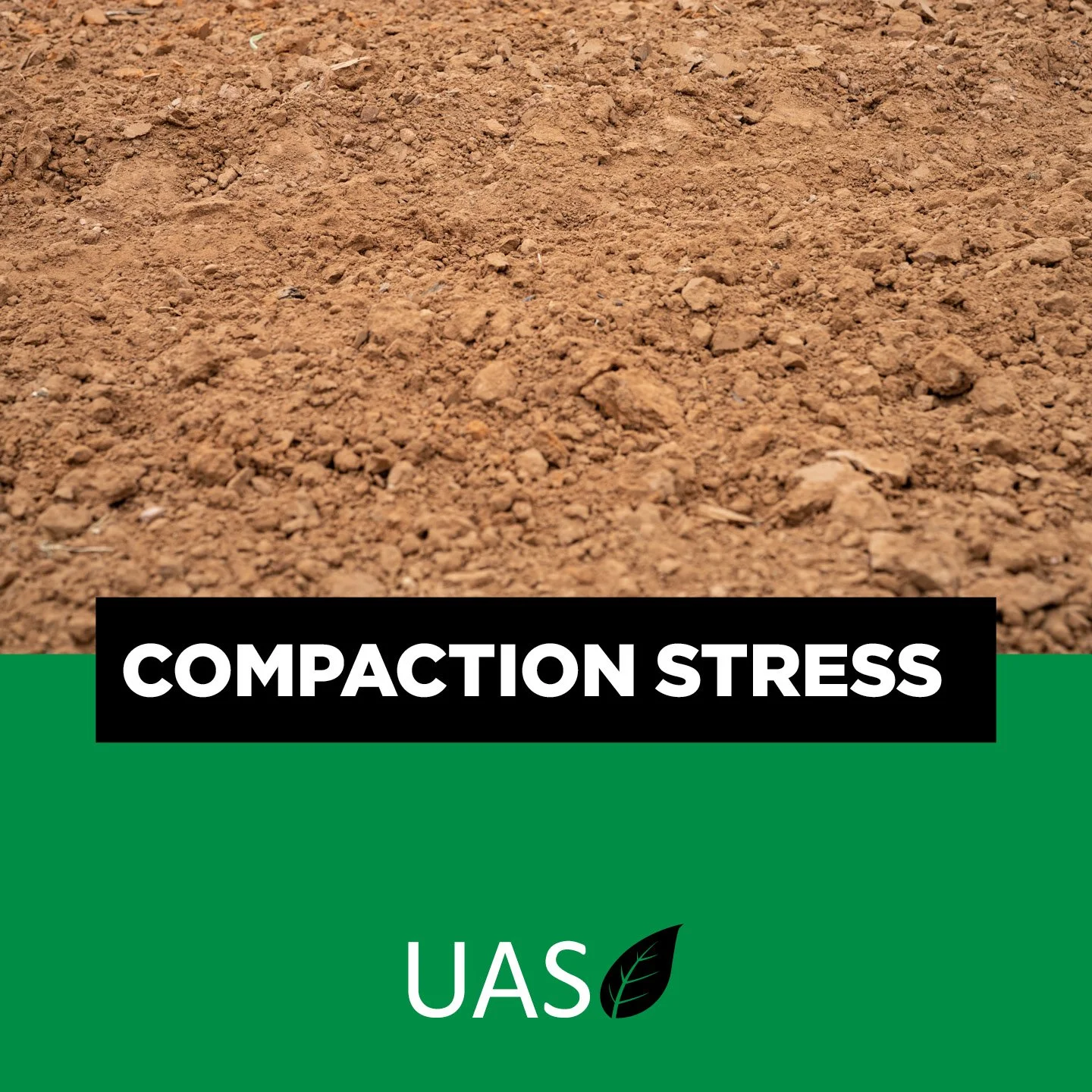
Compaction Stress
Compacted soils limit root growth and restrict access to water and nutrients.
Plants growing in compacted areas often show:
Reduced vigor
Smaller root systems
Increased susceptibility to drought and heat
Compaction stress can persist throughout the season and continue impacting yield long after planting.
Why Stress Recovery Matters
Stress is inevitable.
Every season brings weather events and environmental challenges that growers cannot control.
The goal isn't eliminating stress completely.
The goal is helping crops recover faster and continue developing after stress occurs.
Healthy plants are better equipped to withstand challenges and maintain yield potential.
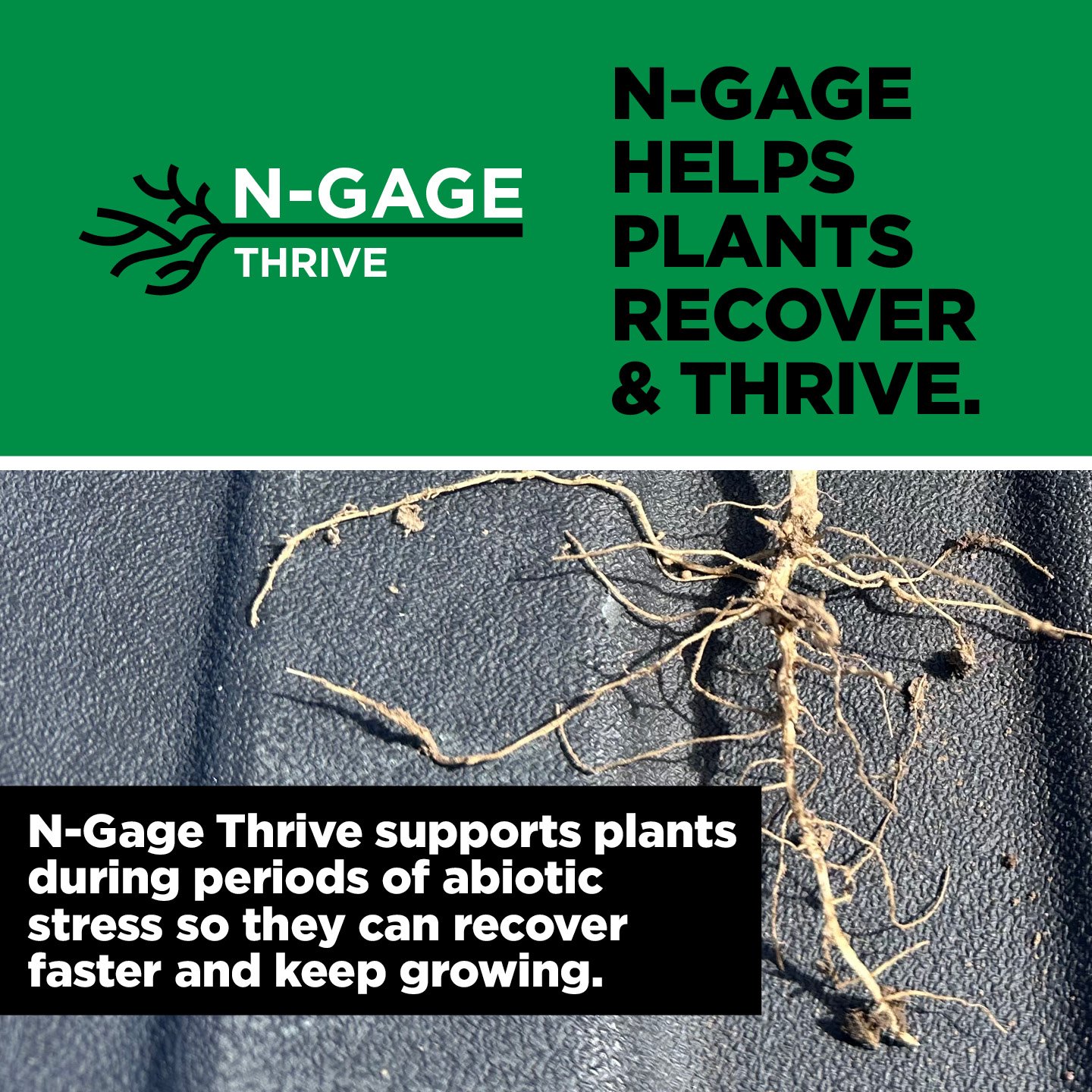
How N-Gage Thrive Helps Support Stressed Crops
N-Gage Thrive is designed to help support corn and soybeans during periods of abiotic stress. Whether crops are dealing with excessive moisture, heat, drought, compaction, temperature swings or replant situations, N-Gage Thrive helps support:
Plant health
Root activity
Stress recovery
Continued growth and development
It can be applied as a seed treatment, in-furrow or foliar, allowing growers flexibility throughout the season.
The Bottom Line
Every year brings environmental challenges that can impact crop performance. While growers can't control the weather, they can support how plants respond to it. Understanding abiotic stress—and having tools in place to help crops recover—can make a significant difference in maintaining plant health and protecting yield potential. When conditions get tough, helping plants recover quickly matters.
That's where N-Gage Thrive comes in.