
How to Scout Soybeans for SDS, Red Crown Rot & Other Late-Season Diseases
Every August, soybean growers spend countless hours walking fields, estimating yield and checking pod counts. But one of the most valuable things you can do while scouting has nothing to do with this year's harvest.
It's identifying problems that can be prevented next season.
Diseases like Sudden Death Syndrome (SDS) and Red Crown Rot often become much more noticeable later in the growing season. By the time symptoms appear, there's usually little that can be done to recover lost yield.
That's why late-season scouting is so important. The notes and pictures you take today can directly influence your seed treatment decisions for next year—and potentially save significant bushels down the road.
Why Scout Soybeans This Late in the Season?
Many growers begin scouting with one question: "How many bushels do I think this field will make?"
That's important. But equally important is asking:
Why did one part of the field perform better?
Why is this area turning yellow?
Is this disease?
Is this nutrient stress?
Should this field receive a different seed treatment next year?
Late-season scouting allows you to connect symptoms with management decisions before memories fade over winter. Think of it as gathering information for next year's crop.
What Should You Look For?
When walking soybean fields in August, pay close attention to:
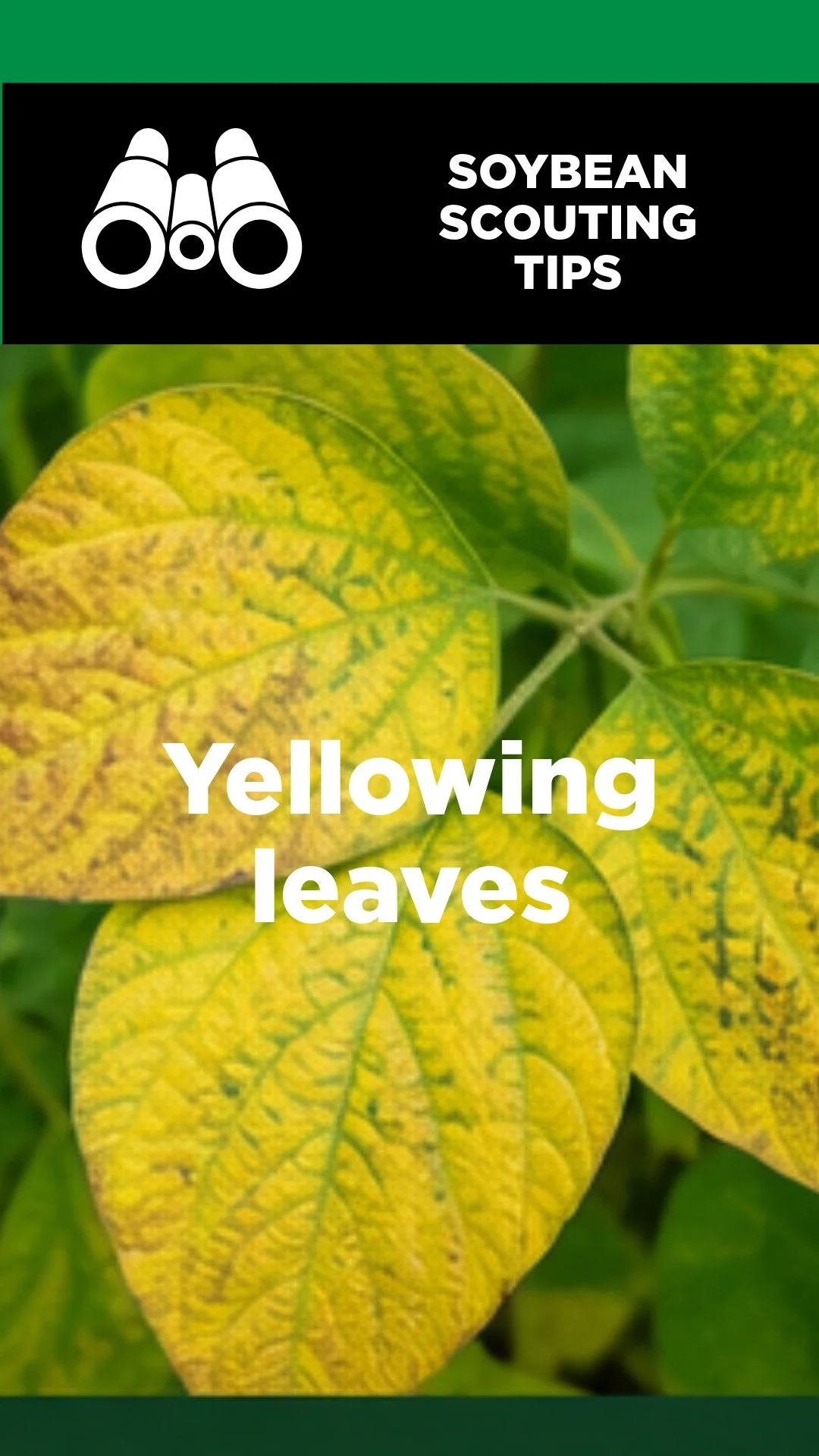
Yellowing leaves
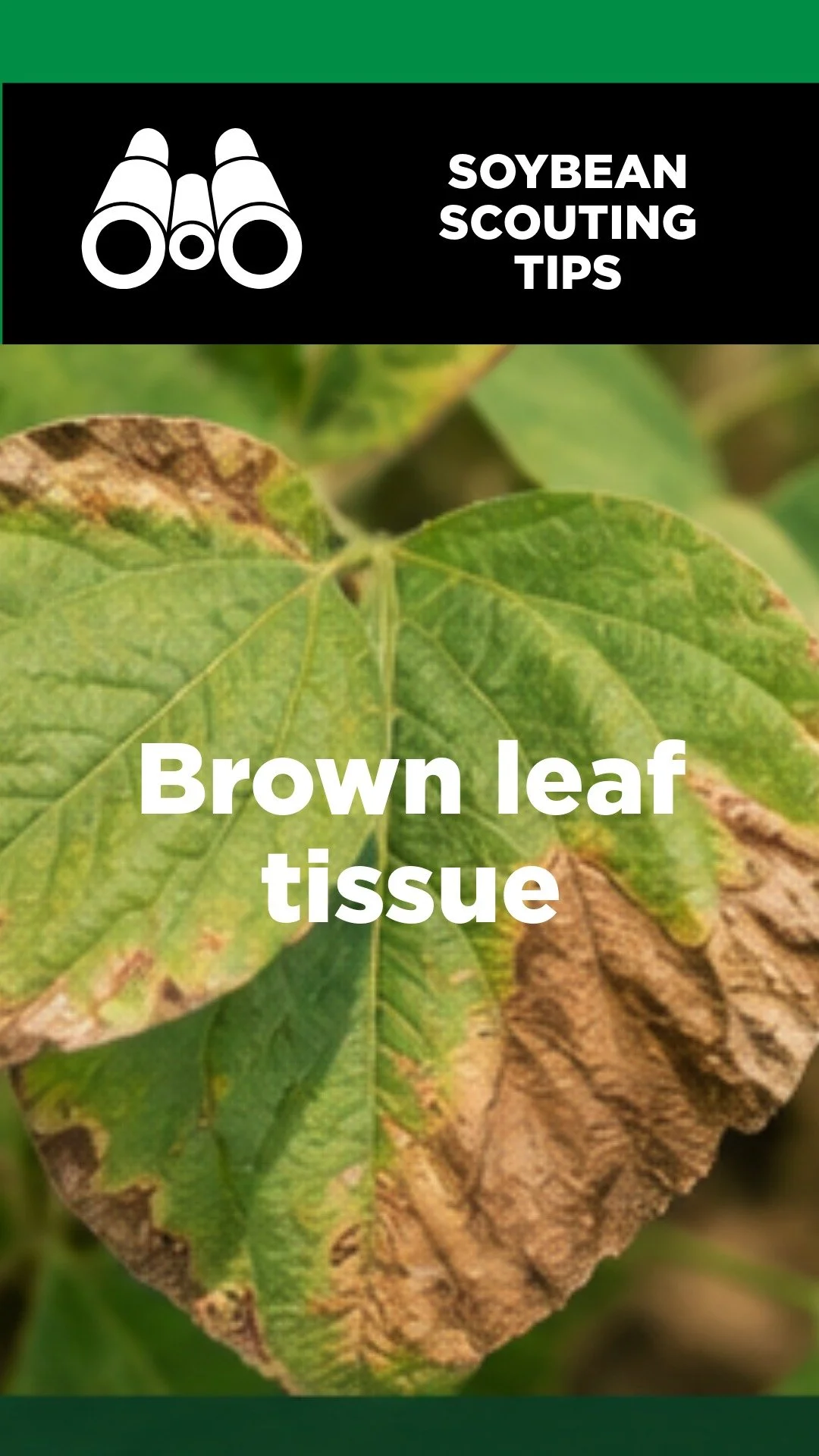
Brown leaf tissue
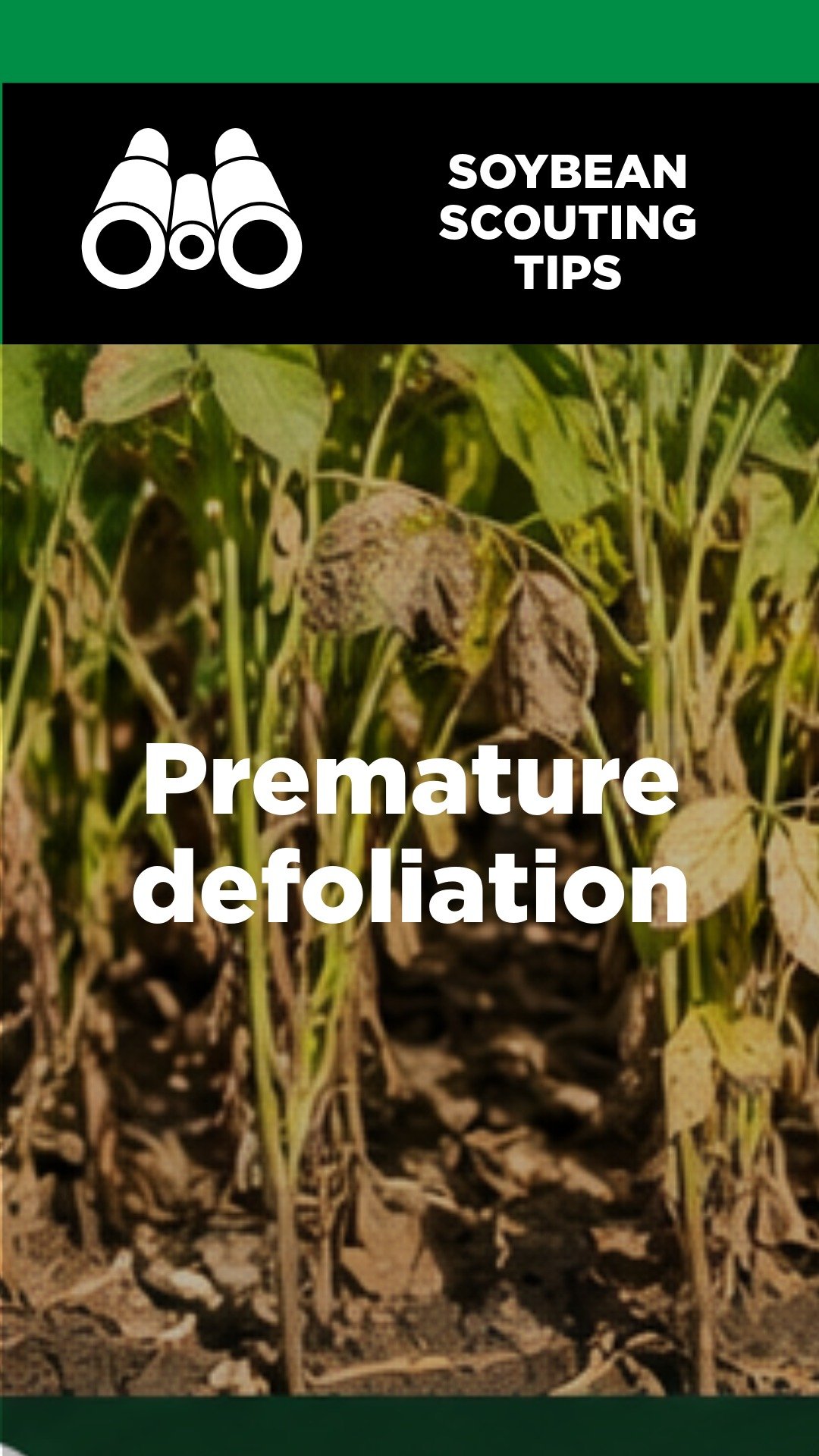
Premature defoliation
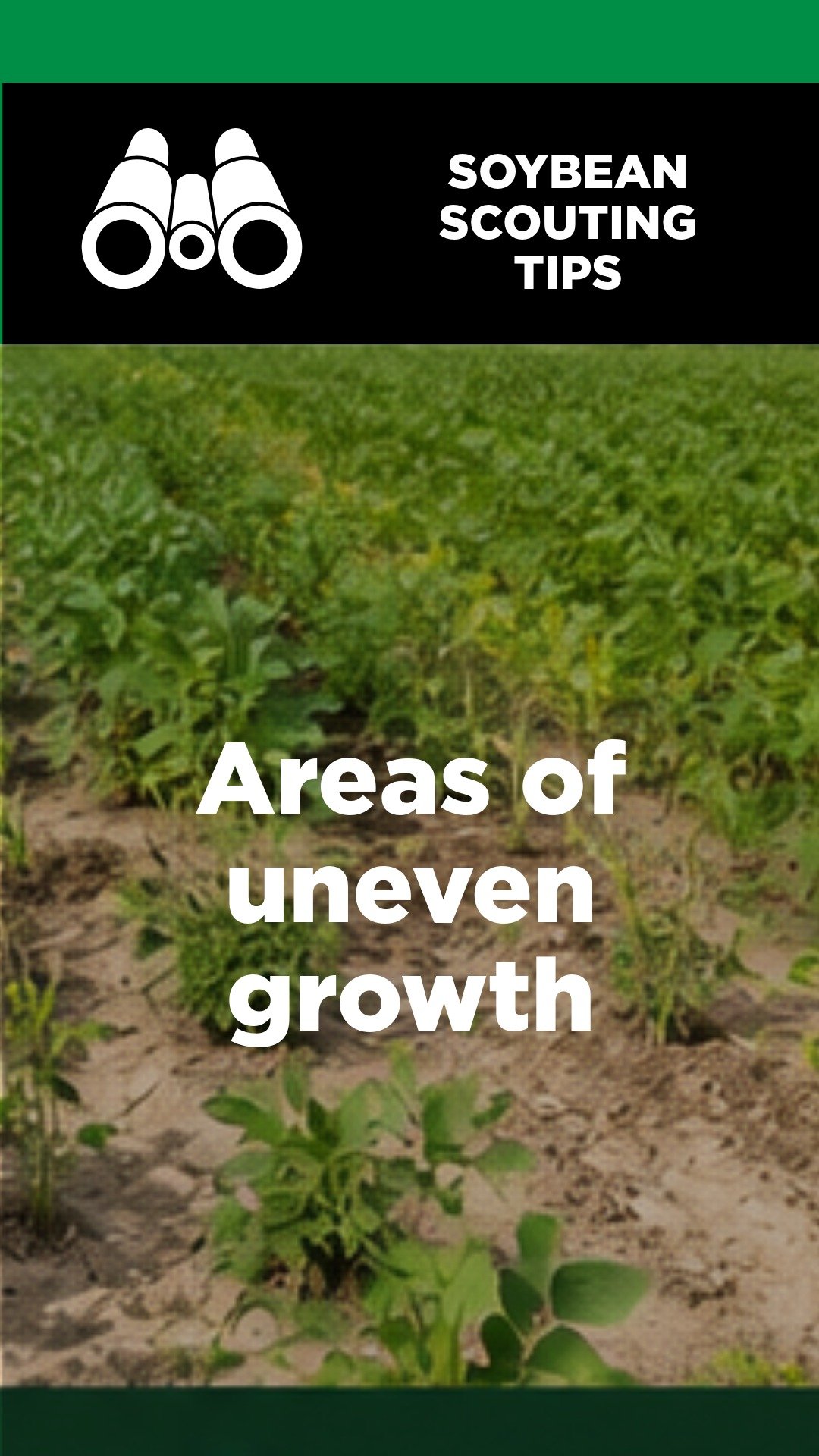
Areas of uneven growth
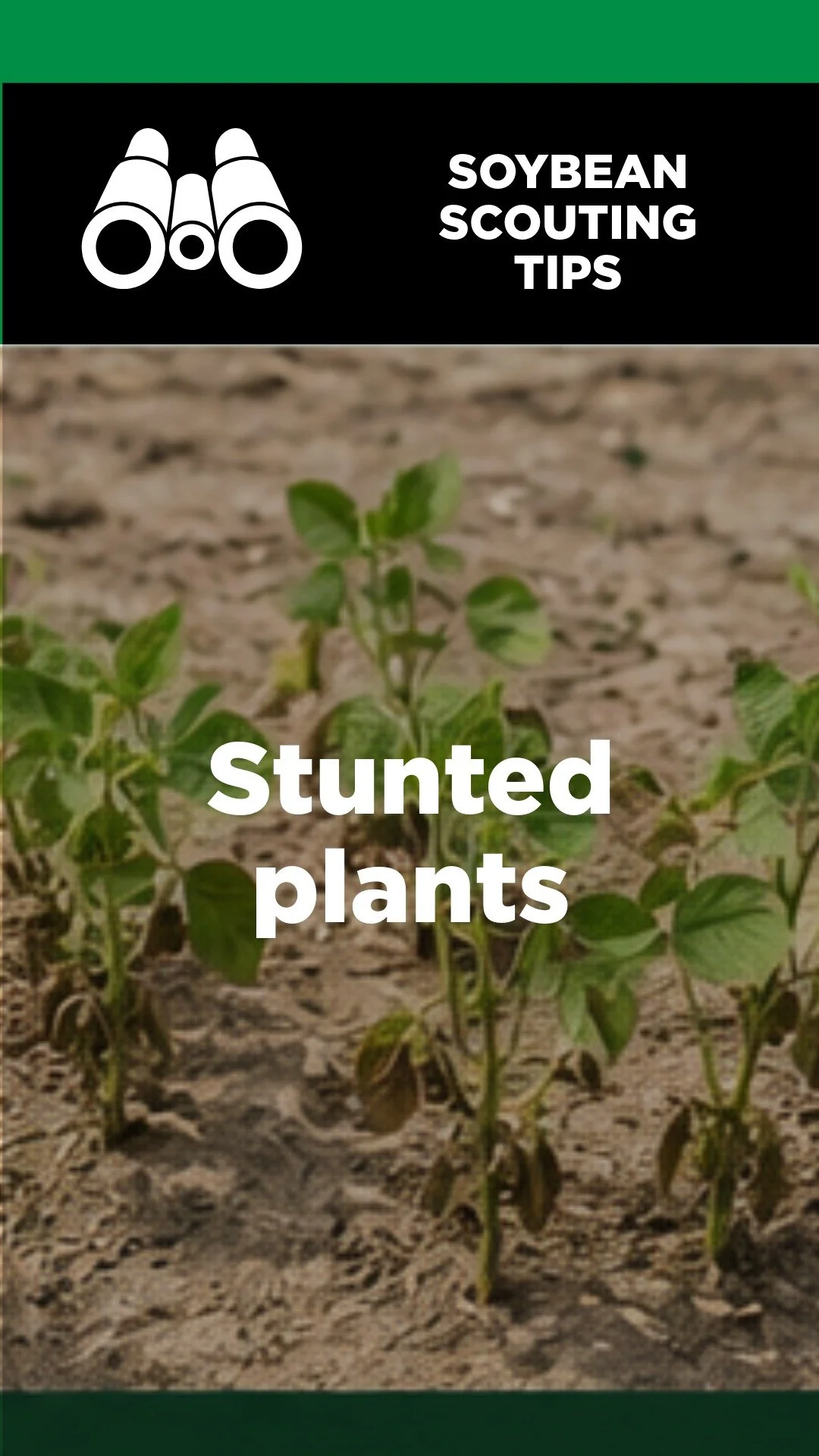
Stunted plants
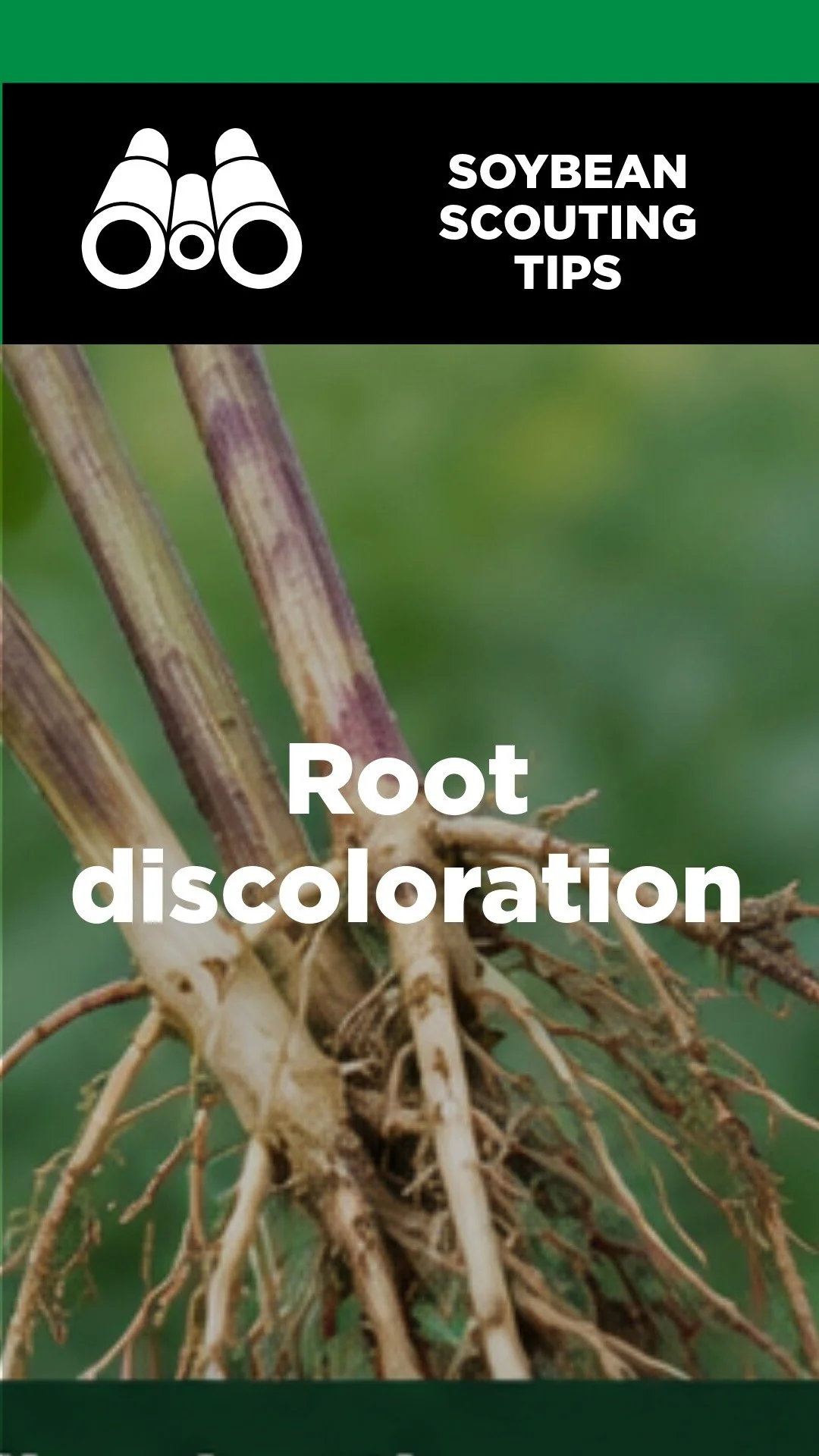
Root discoloration
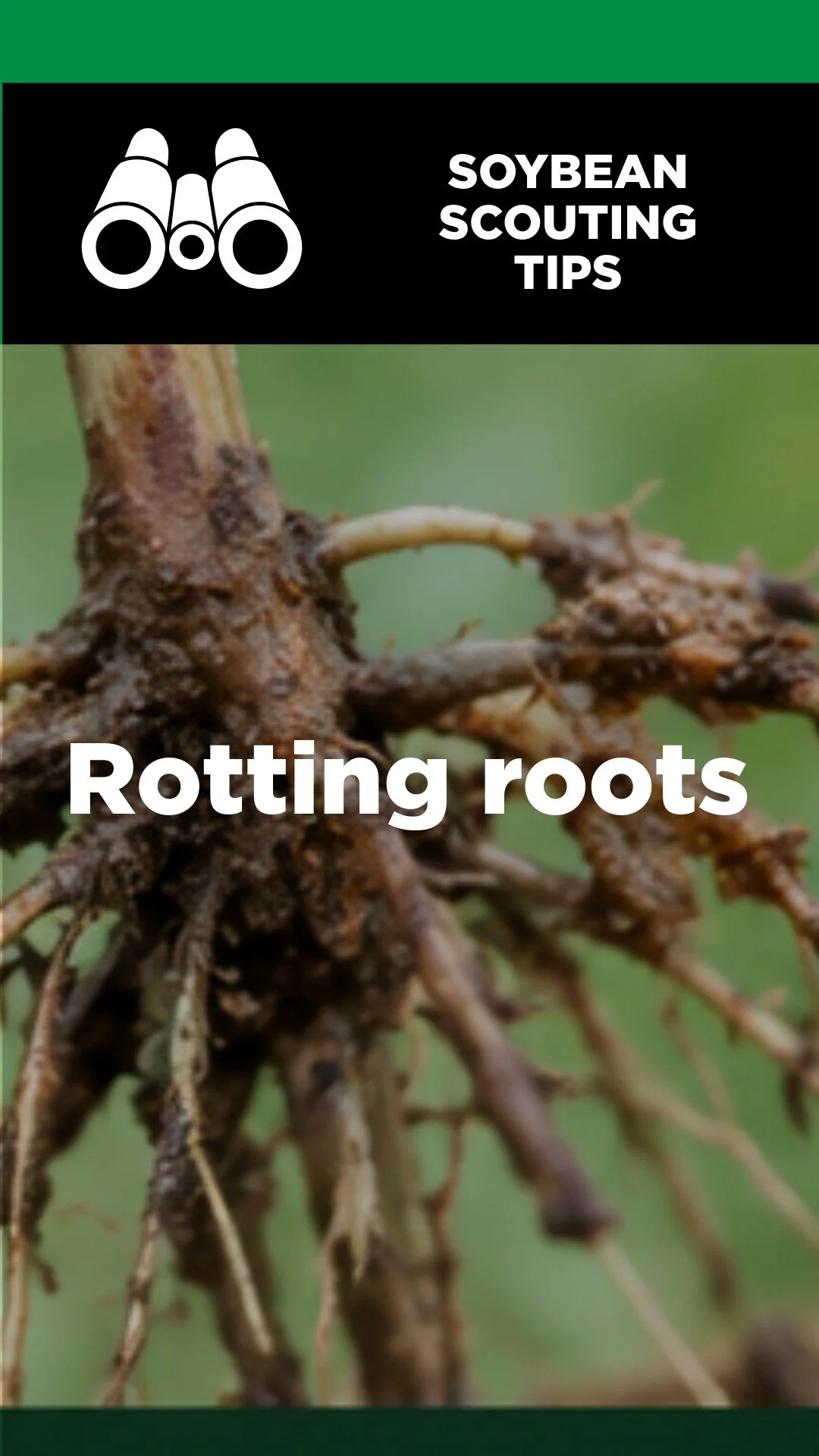
Rotting roots
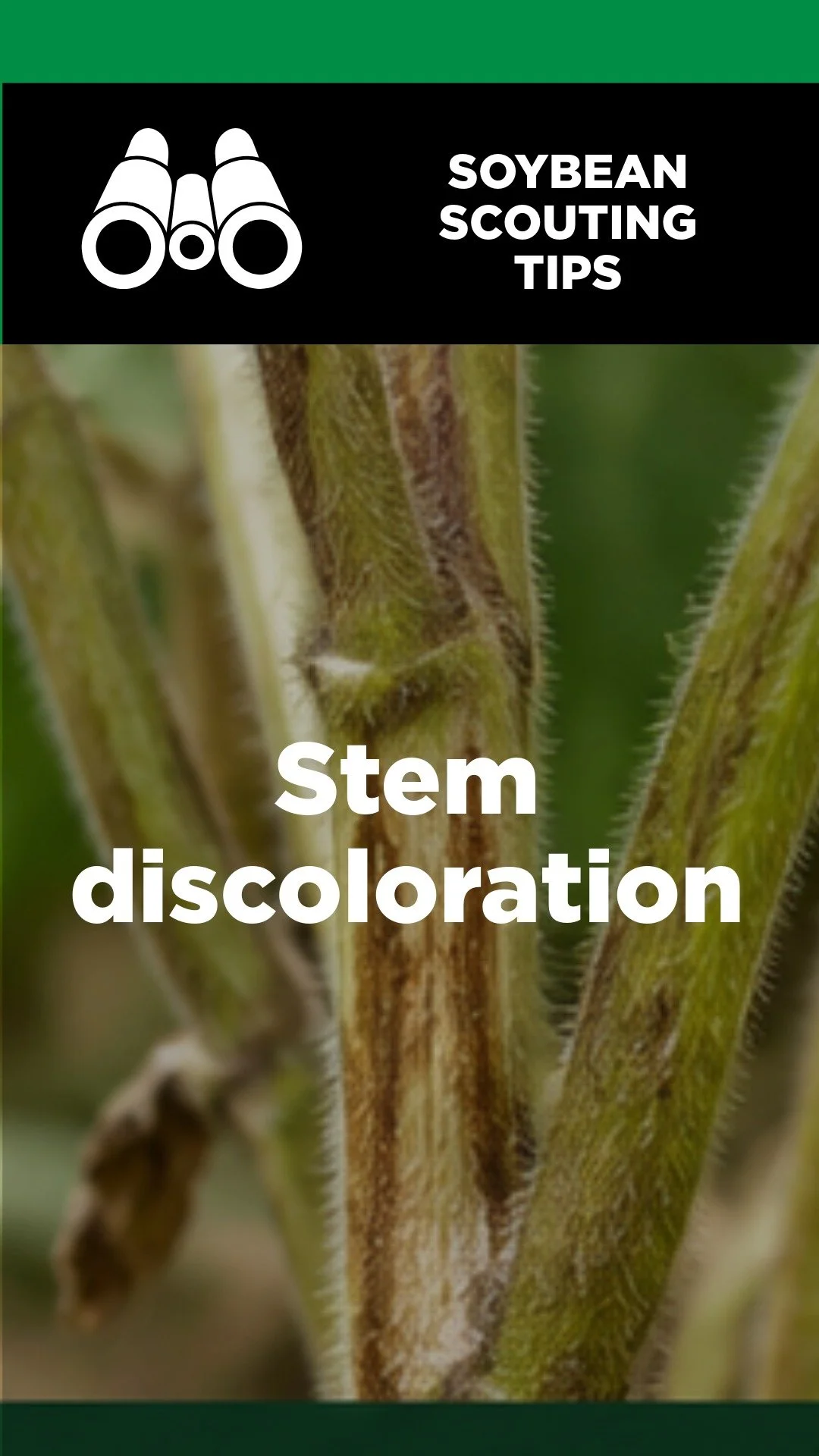
Stem discoloration
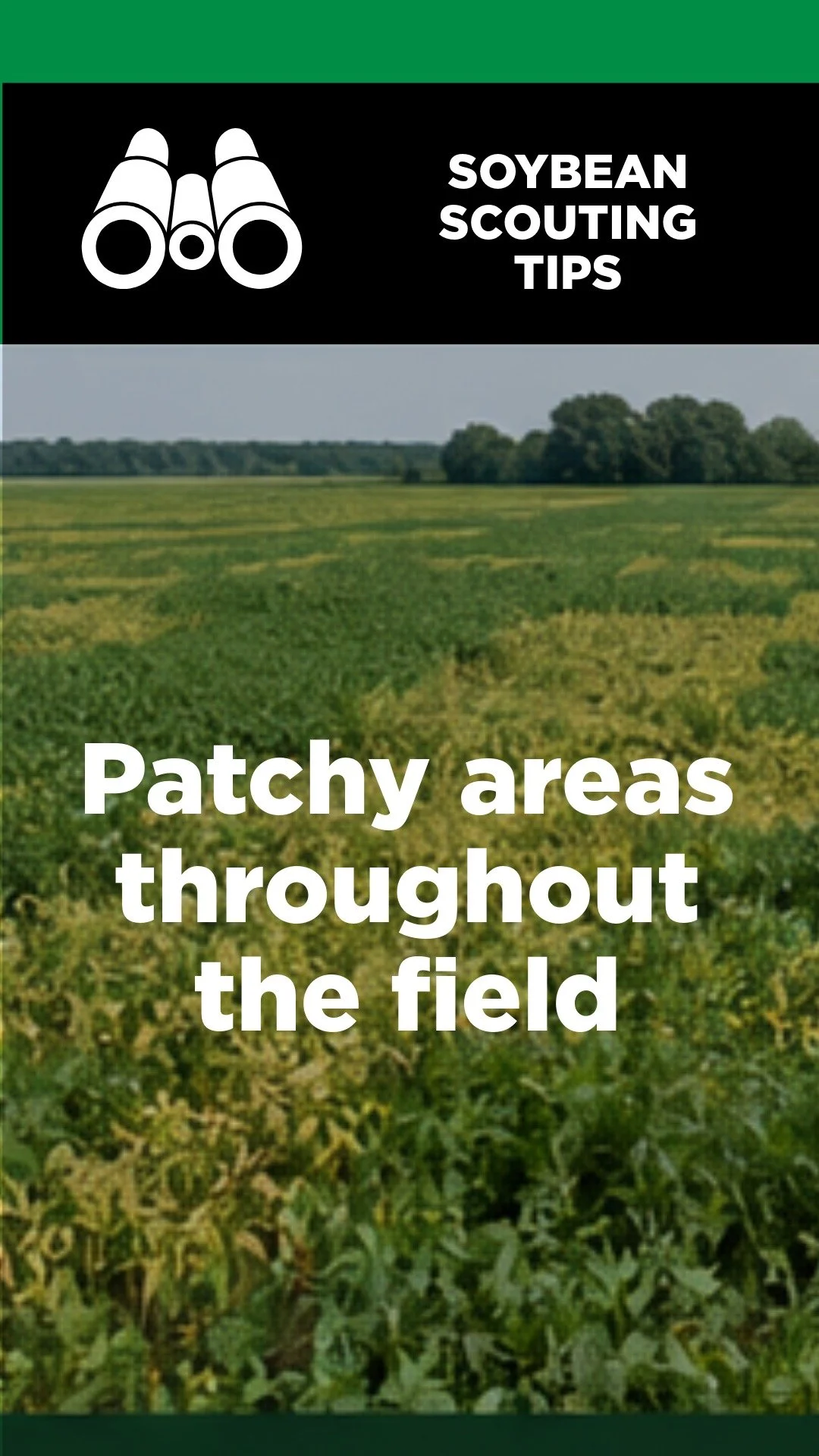
Patchy areas throughout the field
Many soybean diseases occur in patches rather than across an entire field. If something catches your eye, stop and investigate. Dig plants carefully instead of pulling them. Much of the story is happening below ground.
Sudden Death Syndrome (SDS)
SDS is one of the most damaging soybean diseases across many growing regions. The disease infects roots early in the season but symptoms often don't appear until reproductive stages.
Common symptoms include:
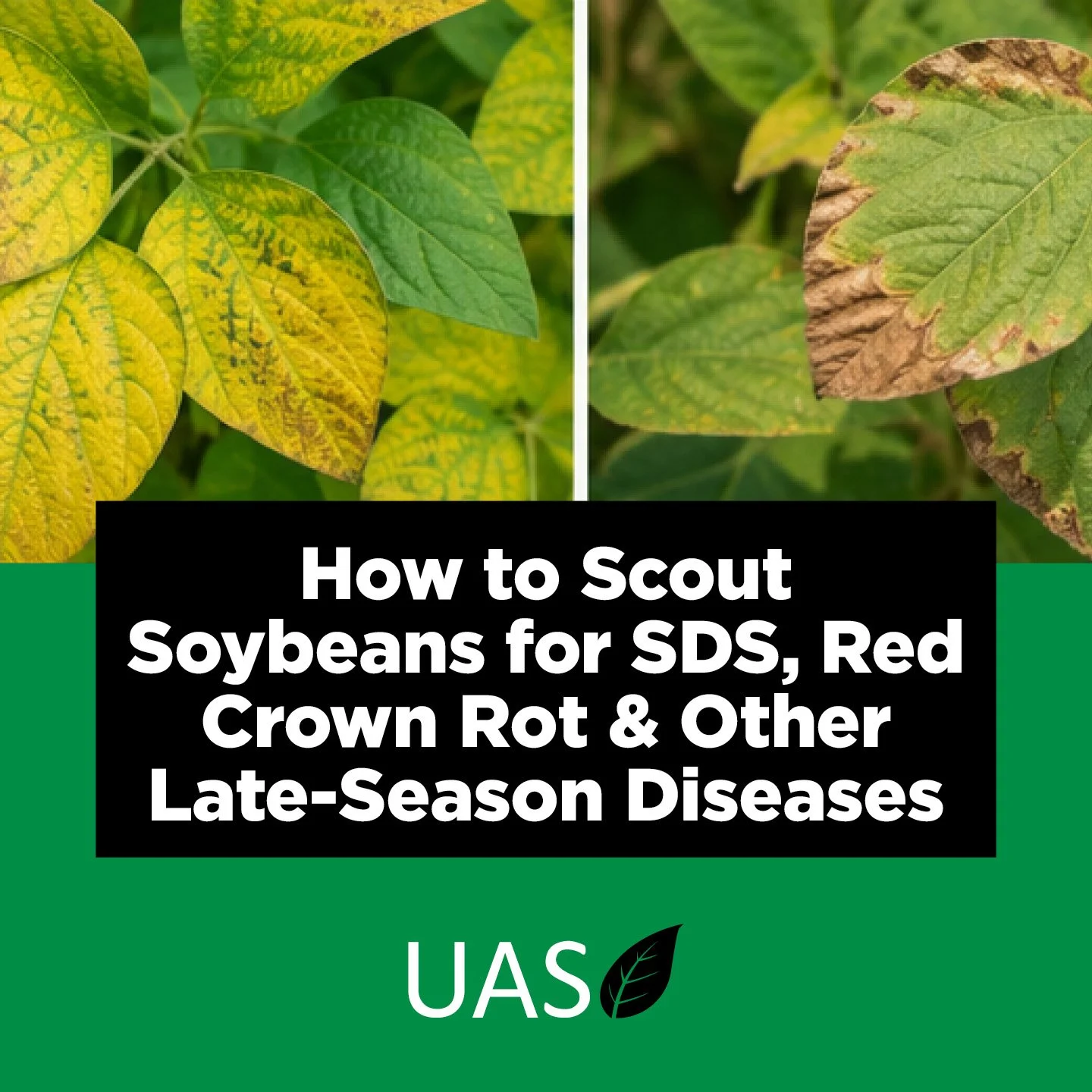
Yellow spots between leaf veins
Brown tissue developing between veins
Green veins remaining while surrounding tissue dies
Leaves dropping while petioles remain attached
Reduced pod fill
Lower yields
If you suspect SDS, dig plants and inspect the roots. Healthy-looking roots with severe foliar symptoms can help distinguish SDS from other issues.
Red Crown Rot
Red Crown Rot has become a growing concern across soybean-producing states. Because symptoms can resemble SDS, it's important to inspect the lower stem.
Look for:
Brick-red fungal growth near the soil line
Dark stem discoloration
Premature yellowing
Early plant death
Patchy field symptoms
Again, don't just examine leaves. Get on your knees. Move residue away from the stem. Look closely around the crown. That's often where the evidence is.
Don't Forget About Roots
Many soybean problems begin underground. Whenever possible:
✔ Dig entire plants.
✔ Shake soil away gently.
✔ Compare healthy plants to unhealthy plants.
✔ Photograph the roots.
✔ Note soil conditions.
Healthy roots today often translate to healthy yields tomorrow.
Record More Than Pictures
Pictures are helpful. Notes are even better. Consider recording:
Field name
Hybrid/Variety
Planting date
Previous crop
Weather conditions
Disease observed
Approximate acres affected
Severity
GPS location
Potential cause
Possible management changes
You'll thank yourself next February.
Think Beyond This Season
Late-season scouting isn't just about identifying problems. It's about solving them.
Ask yourself:
Would a different seed treatment have helped?
Should this field receive biologicals?
Should inoculant change?
Should nematicide be considered?
Do I need a different cereal blend after this rotation?
The answers often begin with what you're seeing today.
Seed Treatments Start With Good Scouting
Every field tells a story. The goal isn't simply identifying disease. It's building a management plan.
Some fields may benefit from:
Different fungicide packages
Biological seed treatments
Nematode protection
Improved inoculant
Different crop rotation
Better drainage
Late-season observations become the foundation for smarter seed treatment decisions.
UAS Can Help
If you're finding disease pressure in your soybean fields, now is a great time to begin planning for next season. Unified Ag Solutions offers seed treatment solutions designed to help growers manage early-season disease pressure and build stronger, healthier stands. Our team can help evaluate your observations and recommend seed treatment options based on your operation—not just a one-size-fits-all program.
The more information you collect now, the better those recommendations become.
KEY TAKEAWAYS
• Scout beyond yield estimates.
• Dig plants instead of pulling them.
• Inspect roots and lower stems.
• Watch for SDS and Red Crown Rot symptoms.
• Take pictures and detailed notes.
• Use this year's observations to guide next year's seed treatment decisions.
Frequently Asked Questions
When should I scout soybeans for disease?
Late July through August is one of the best times because many diseases become more visible during reproductive growth stages.
Why is my soybean field turning yellow in patches?
Patchy yellowing can result from several issues, including SDS, Red Crown Rot, nutrient deficiencies or environmental stress. Digging plants and inspecting roots can help narrow down the cause.
Can Sudden Death Syndrome be treated after symptoms appear?
Unfortunately, no. Once foliar symptoms develop, management options are limited. Prevention through seed treatment selection and field management is the best strategy.
What does Red Crown Rot look like?
Look for reddish fungal growth near the base of the stem, along with yellowing leaves, premature death and root damage.
Should I take pictures while scouting?
Absolutely. Pictures, GPS locations and notes make it much easier to compare fields and plan seed treatments months later.