
Corn Rootworm Pressure Is Rising. Here’s How to Stay Ahead.
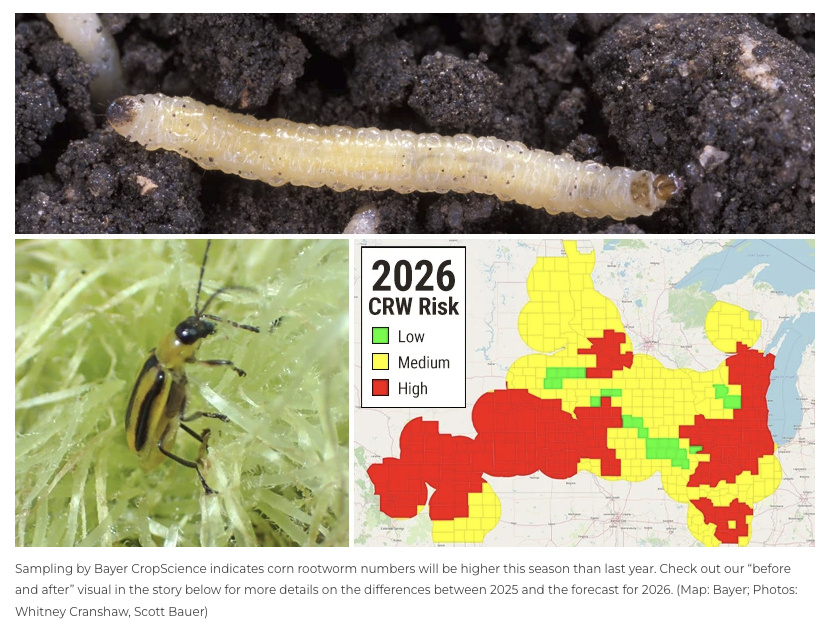
Fight Corn Rootworm (CRW) with BioST Nematicide 100
Corn rootworm isn’t new—but the pressure is shifting again, and it’s something growers need to be thinking about right now.
A recent article from AgWeb highlights what many across the Midwest are already seeing: rootworm pressure is expected to be elevated heading into this season. (SEE THE ARTICLE HERE: https://www.agweb.com/news/crops/corn/elevated-corn-rootworm-pressure-projected-midwest)
What’s Driving Increased Corn Rootworm Pressure?
Data from recent field monitoring shows an uptick in fields exceeding economic thresholds, signaling more consistent pressure across the Corn Belt.
At the same time:
More acres of continuous corn
Resistance to certain Bt traits
Changing pest behavior
…are all making rootworm harder to control than it used to be. This isn’t the same rootworm story from 10–15 years ago. Rootworm damage starts underground—where you don’t see it until it’s already costing you. Larvae feed on corn roots, which:
Reduces nutrient and water uptake
Weakens plant structure
Increases lodging risk
Limits yield potential
In high-pressure situations, yield losses can be significant, with this pest alone costing growers hundreds of millions to over a billion dollars annually. The key point: You don’t get a second chance to fix it.
Root protection decisions happen at planting—or not at all.

Damage to corn silks due to feeding by adult western corn rootworm beetles. Image courtesy of R.L. Croissant, Bugwood.org.

Western corn rootworm larvae (about one-quarter inch long). Image courtesy of Scott Bauer, USDA Agricultural Research Service, Bugwood.org.
The Shift: One Tool Isn’t Enough Anymore
Historically, growers relied on:
Crop rotation
Trait packages (Bt)
But today:
Rotation-resistant variants exist
Bt resistance has been documented
Pressure varies field-by-field
That’s why experts continue to push toward a layered, integrated approach instead of relying on a single solution.
UAS Approach: Start at the Root Zone
At UAS, the focus is simple: Protect the root. Protect the yield. That starts with solutions designed to work where rootworm lives—below ground.
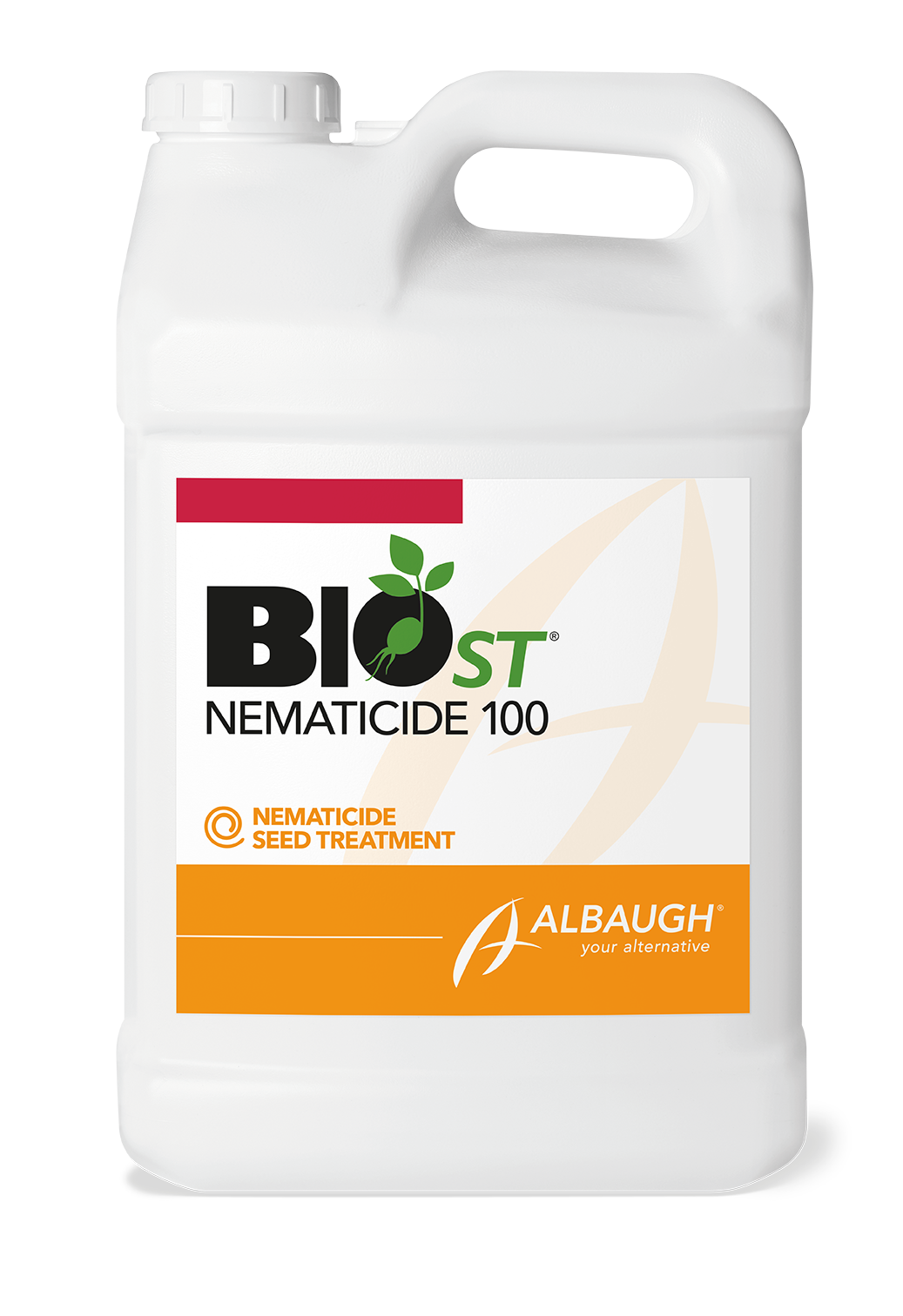
BioST Nematicide 100

BioST Nematicide 100
In multi-year research trials, BioST Nematicide 100, in addition to its outstanding nematode properties, has shown to increase efficacy against CRW by lowering root damage and maintaining yield potential when compared to use of higher rates of neonicotinoid insecticides.
Biological-based protection
Targets soil pests at the root zone
Helps reduce early feeding pressure

BioST 2G Nematicide + Insecticide
BioST 2G Nematicide + Insecticide
This upgraded formulation builds on the same trusted technology that’s already been used across more than 20 million acres—but now comes supercharged with a low-use-rate formulation and added insecticidal activity.
That means growers now get nematode suppression and early-season insect control in one consistent, shelf-stable biological. It’s a win-win.
Dual-action approach
Designed with activity on corn rootworm
Combines biological + insecticidal modes of action
Built for early-season protection when it matters most
Especially valuable in:
Continuous corn
Known pressure areas
Fields with past root damage
Corn rootworm isn’t going away—and in many areas, it’s getting harder to manage.
The AgWeb data confirms it. The fields are showing it. And the solution isn’t waiting to react—it’s building protection into your program from the start.
Unified Ag Solutions offers BioST Nematicide 100 and BioST 2G Nematicide + Insecticide as standalone products, or mixed directly into our N-Compass seed treatment. When used in combination with lower use rates of neonic insecticides (and sound agronomic practices), growers can see increased CRW protection on corn. PLUS, it also addresses corn nematode concerns without reducing the long-term germination issues associated with high neonic insecticide rates on corn seed.
If you’re ready to put the power of nematicide to work, contact UAS today.