

Buying a seed treater is an investment. But for farmers and seed dealers treating enough volume, it can also be an opportunity to lower costs, create new revenue and gain more control over their operation. So how do you know if the numbers actually work? Let's break it down.
When considering a seed treater, one of the first questions is usually pretty straightforward: How much does it cost?
But the better question might be: How long will it take to pay for itself?
The answer depends on several factors, including the equipment you purchase, how many units of seed you treat, your treatment costs and whether you're treating your own seed or selling treatment services to customers.
For some operations, the numbers can work out surprisingly quickly. For others, it may take several treating seasons to recover the initial investment.
And while there's more to owning a seed treater than the financial return, understanding your potential ROI is a good place to start.
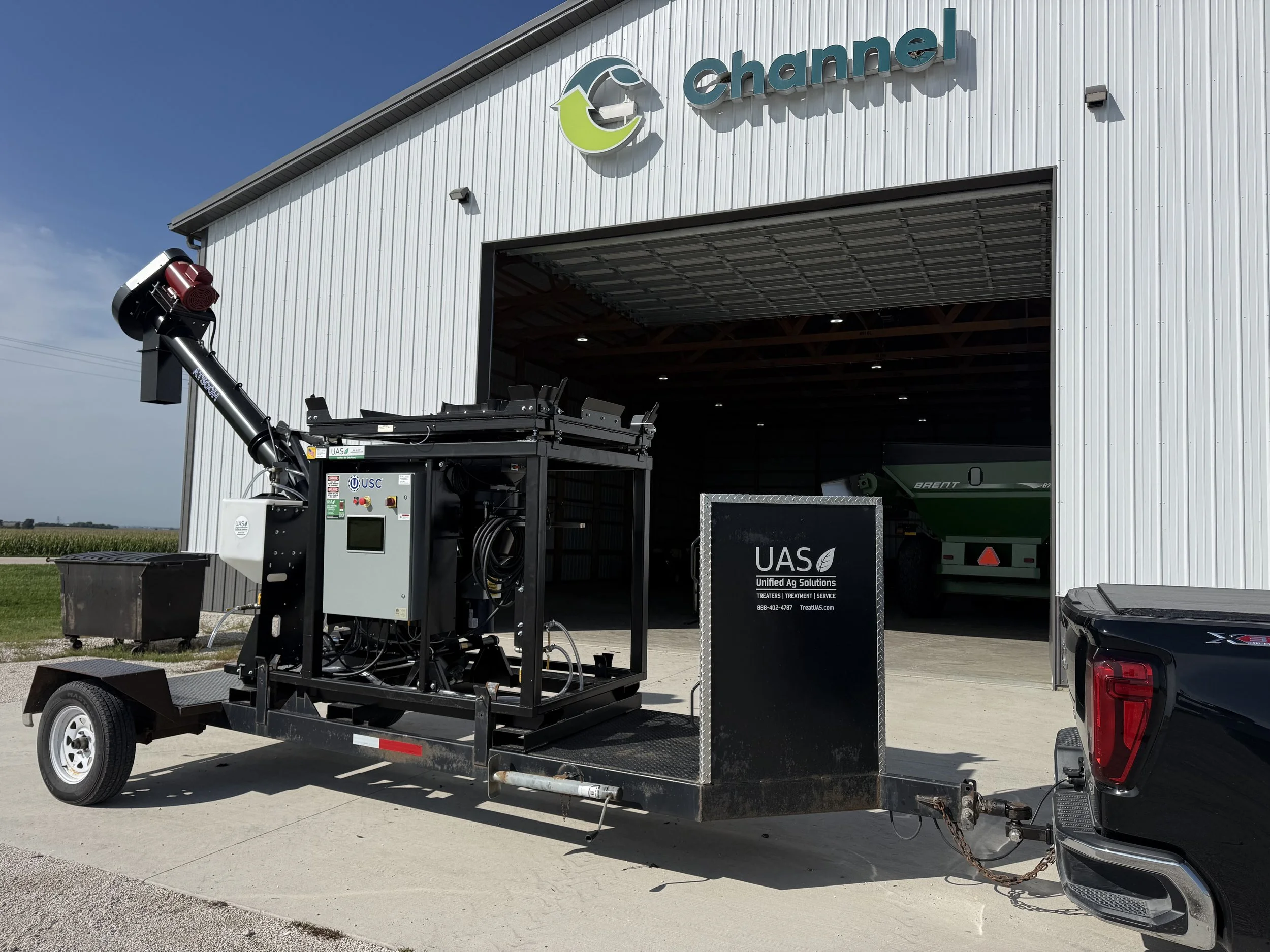
What Does a Seed Treater Actually Cost?
Seed treating equipment varies considerably in price depending on its size, capacity, automation and configuration. A farmer treating a few thousand units of soybeans has very different needs than a commercial seed dealer processing tens of thousands of units each season.
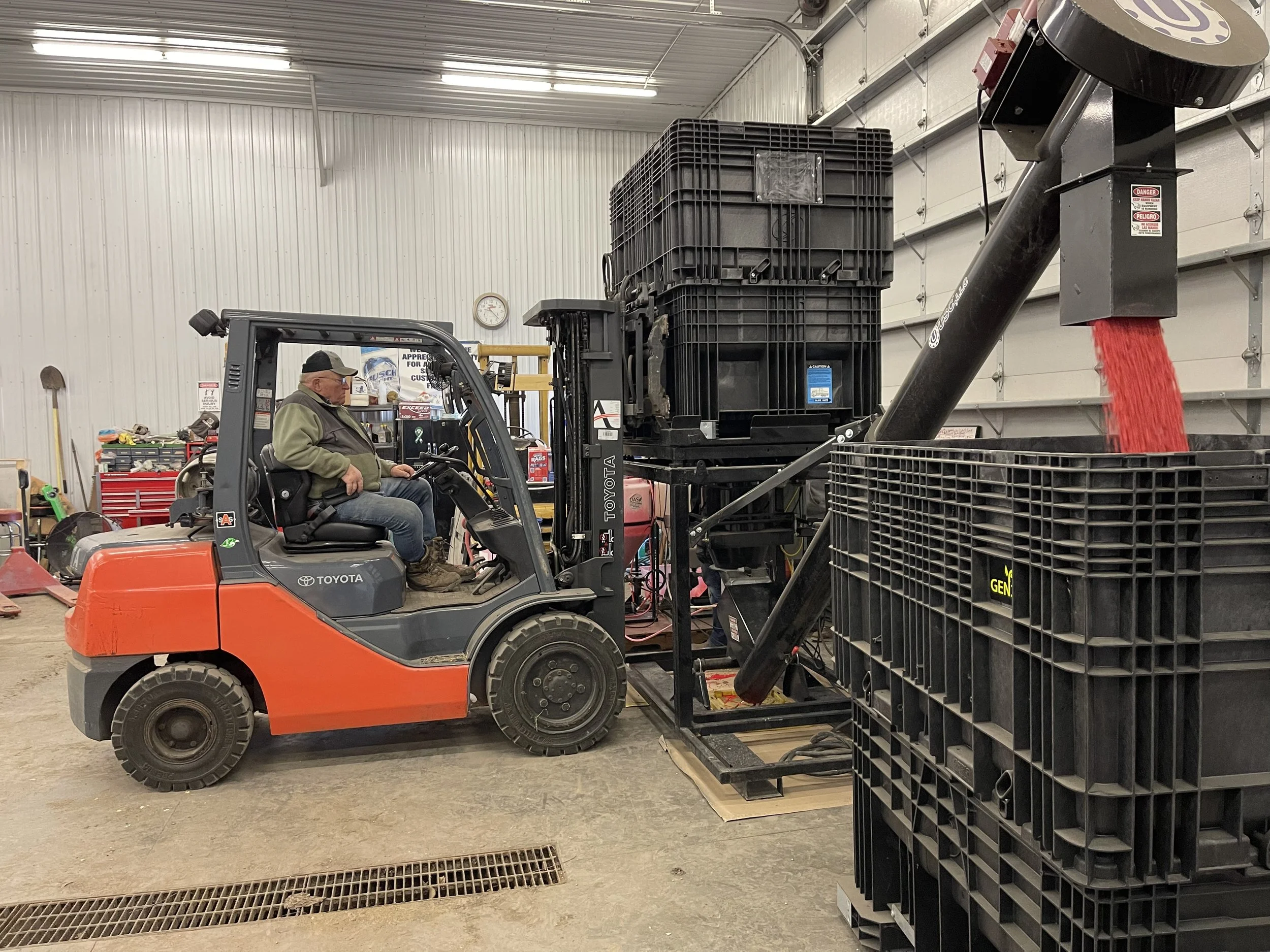
Box-to-Box Seed Treaters
Box-to-box seed treaters, such as the USC AT500, are popular among farmers and independent seed dealers because they offer flexibility without requiring a large permanent bulk facility.
These systems transfer seed from one container to another while applying the treatment. Depending on the model and configuration, operators can choose from manual, semi-automated or fully automated systems.
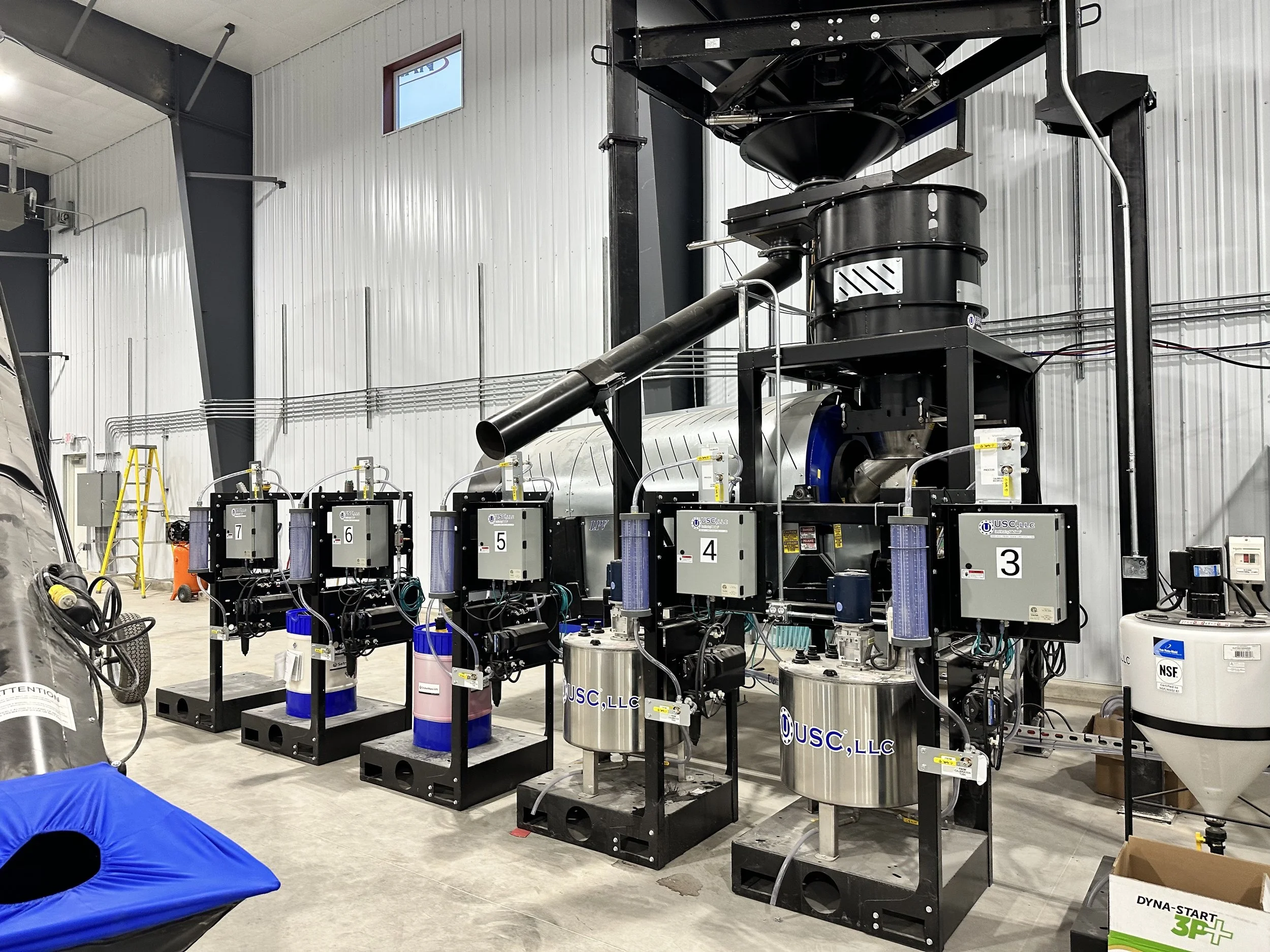
Bulk Seed Treating Systems
Larger seed dealers and commercial operations may benefit from bulk treating systems designed for higher throughput.
These systems can incorporate bulk storage, conveyors, weighing equipment, automated chemical delivery and other components.
The upfront investment is typically greater, but the additional capacity may make sense when treating larger volumes.
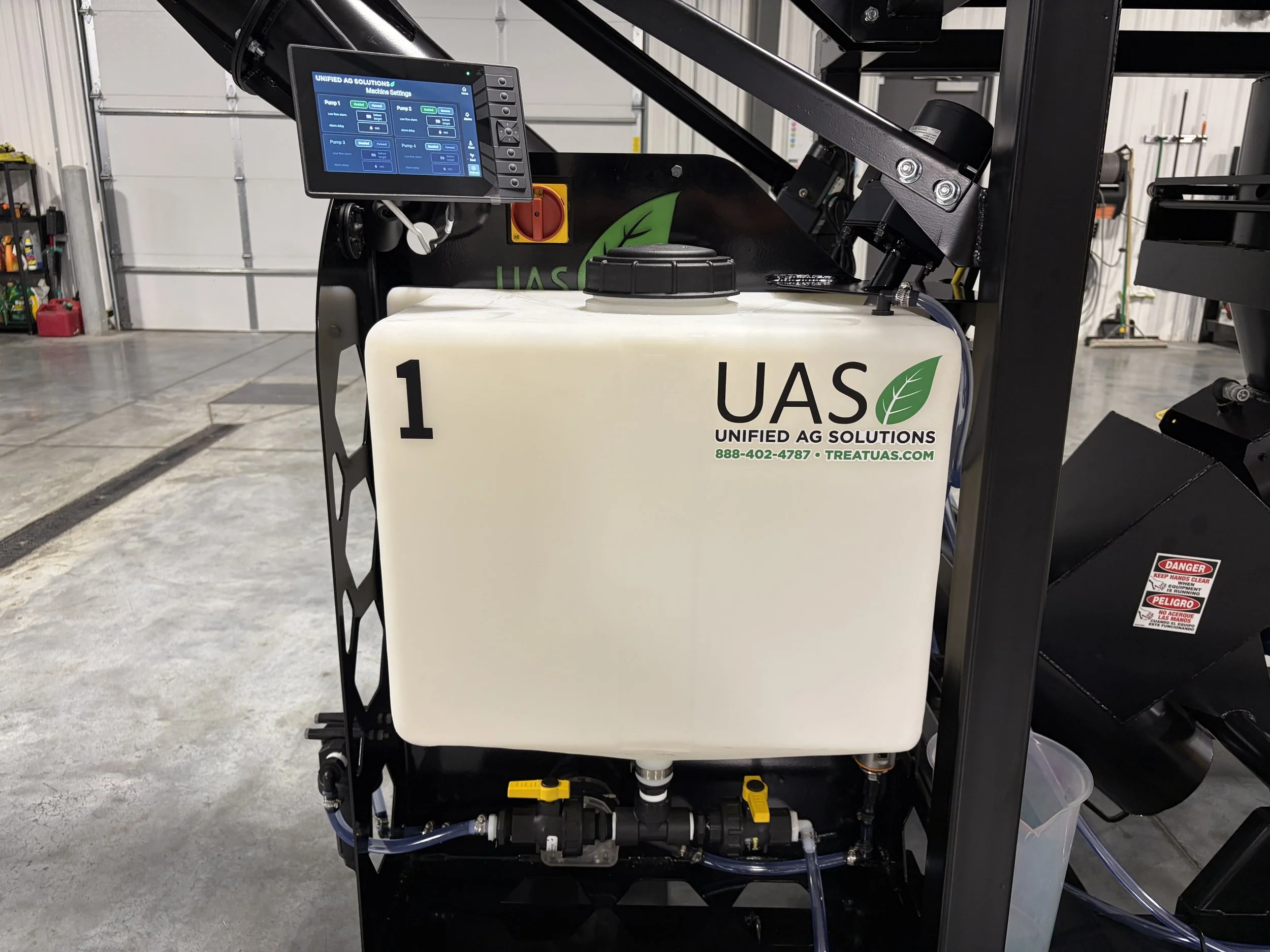
Don't Forget the Supporting Equipment
The seed treater itself isn't necessarily your entire investment.
Depending on your setup, you may also need:
Pump stands and chemical delivery equipment.
Conveyors or other seed handling equipment.
Seed boxes, tenders or storage containers.
Installation and operator training. (FREE WITH UAS)
When comparing equipment options, make sure you're evaluating the cost of the complete system—not just the machine.
The Four Numbers That Determine Your Seed Treater ROI
You don't need a complicated financial model to get a ballpark estimate of your potential return.
Start with four basic numbers:
Equipment investment: What will your complete treating setup cost?
Annual treating volume: How many units of seed do you expect to treat each season?
Treatment cost per unit: What will you spend on fungicides, insecticides, inoculants and other treatment products?
Treatment selling price or avoided cost: How much will you charge customers, or how much will you save by treating your own seed instead of purchasing treatment elsewhere?
These are the same core inputs used in UAS's Seed Treater ROI Calculator. From there, you can estimate your gross margin per unit and determine how quickly that margin could recover the equipment investment.
SEE HOW FAST YOUR EQUIPMENT CAN PAY FOR ITSELF.
Enter a few numbers from your operation to estimate your treating profit and equipment payback.
YOUR INVESTMENT
YOUR OPERATION
TREATMENT COSTS
Based on the numbers entered above.
Farmers and Seed Dealers Calculate ROI Differently
Not everyone buys a seed treater for the same reason. For seed dealers, the financial opportunity often comes from generating treatment revenue. For farmers, the value is more commonly tied to reducing treatment costs, gaining flexibility and maintaining control over seed purchases.

SEED DEALERS
As a seed dealer, opportunities flourish by possessing your own seed treater. First and foremost, your customers will view you as a full-service dealer. That means more products and services for them to choose from… and more ways you can boost profits. Instead of selling only naked seed, you can sell seed treatment and other chemistry, like inoculants, biologicals, nematicide and more.
With a more robust suite of services, you’ll build stronger relationships with your customers too. This could lead to more business down the road.
Maybe one year a customer plants soybeans. But the next year, they want to plant corn. Who are they going to look to for corn seed treatment options? (Hint: It’s you.)
Also, purchasing your own seed treater means it’s your seed treater—not the seed company’s. So you can still provide seed treating services should a career shift pop up in the future.

SEED COMPANIES
Seed companies who employ seed dealers can also benefit from seed treaters. If a farmer has a good experience with their dealer, that equates to a good experience with your company as a whole. So you gain more exposure, more brand awareness, and more opportunities to grow your business.
Plus, with the freedom to sell other products and services through downstream treating, your dealers will be motivated to build more relationships and increase their sales. That means more money for them, and for you.
On top of all of this, if you partner with UAS, we can work together to create your own custom seed treatment blend—further boosting brand awareness and customer confidence in your business.

LARGER GROWERS (1000+ ACRES)
Weather, commodity prices, and a variety of other factors play into your seed-buying decisions throughout the year. By purchasing pre-treated seed, you could be stuck with it regardless if you plant it or not—the seed company might not buy it back, and you can’t sell it to an elevator.
If you’re a grower with a larger operation, owning a treater gives you boundless freedom during planting season. Instead of paying to get your seed treated, you can do it yourself and reap all the benefits.
Best of all, treated seed means stronger plants… which means higher yields… which means more dollars in your pocket. It doesn’t cost to get a seed treater—it pays.
And should a circumstance arise where you can’t plant your seed, you have a better chance of returning it to the seed company by leaving it untreated.

SMALLER GROWERS
If you only have 600 or 700 acres, purchasing your own treater may not be warranted. But if your neighbor also has several hundred acres, it might be worth looking into. UAS has worked with several customers who’ve split the cost of the treater—and all the benefits that come with it. UAS even offers portable treaters so you can move it back and forth with ease.
At Unified Ag Solutions, we offer box-to-box treaters, bulk treating systems, pump stands, seed treatment products, financing options and technical support to help customers build successful seed treating operations.
Whether you're buying your first seed treater or upgrading an existing system, we'll help you find the right fit.
Ready to run the numbers?
Use our Seed Treater ROI Calculator or contact us to discuss equipment options and pricing.
Call 888-402-4787 and let’s talk shop.
SEED TREATER FAQS
-
Seed treater prices vary depending on equipment capacity, automation, configuration and supporting components. A complete quote should include the treater, chemical delivery equipment and any necessary additional equipment.
-
That depends on equipment cost and your net contribution per unit. For example, a $31,500 system generating $6.75 gross margin per unit would require approximately 4,667 units to recover the purchase price before operating expenses.
-
It can be, particularly when treating enough volume to spread equipment and operating costs across many units. Compare equivalent treatment programs and include labor, maintenance and other expenses.
-
Yes. Seed dealers can generate revenue by selling seed treatment products and application services. Profitability depends on product costs, pricing, volume, equipment investment and operating expenses.
-
Is a box-to-box seed treater a good investment?
Box-to-box treaters can be a practical option for farmers and seed dealers who want flexibility without investing in a large permanent bulk facility. Whether they're financially worthwhile depends on expected treating volume and costs.
-
UAS offers financing options for eligible equipment purchases. Contact a UAS representative to discuss current programs and terms.